

Why Unwanted Growth Keeps Returning in Sydney Gardens (And How to Prevent It Long-Term)
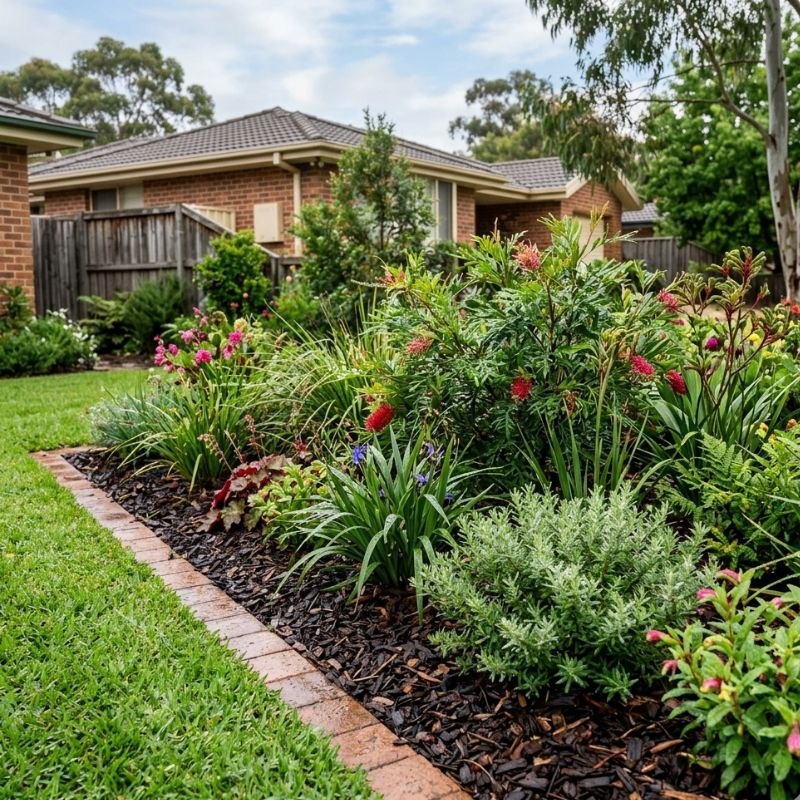
Sydney gardens are famous for bouncing back fast. Unfortunately, that includes the stuff you don’t want.
If you’ve cleared a garden bed only to see fresh green shoots pop up a week later, you’re not imagining it. In Sydney, a mix of warm spells, humidity, sudden rain bursts, and year-round growing conditions can keep regrowth ticking along even when you feel like you’re doing everything right.
The good news: repeat regrowth is usually predictable. Better still, you can reduce it long-term without turning your weekends into a never-ending battle. The trick is to stop treating it like a single job and start treating it like a system: what’s returning, why it’s returning, and which prevention “layers” will actually change the outcome.
The big idea: regrowth happens for three main reasons
Most recurring unwanted growth in Sydney comes down to one (or more) of these:
• A soil seed bank that keeps germinating when conditions are right
• Spreading plants (runners, rhizomes, bulbs, tubers) that reappear from fragments
• Resprouting from leftover root material or crowns after disturbance
If you can identify which one you’re dealing with, you can stop doing generic fixes and start making changes that actually stick.
Q&A: Why does it come back so quickly after I clear it?
Because you often remove what you can see, but the driver is still in place: seeds in the soil, underground spread, or a regrowth trigger like bare soil + light + moisture. Prevention works best when it removes the trigger, not just the visible growth.
Step 1: Work out what type of regrowth you’re seeing
Before you buy anything, spray anything, or redo a garden bed, do this simple diagnostic. It saves a lot of effort.
Seedling flush (usually appears as lots of tiny new plants)
Signs you’re looking at a seedling flush:
• Many small seedlings appear at once, especially after rain
• They show up across bare patches, not just one spot
• You can usually pull them easily when young
What’s happening:
Sydney’s rain bursts (sometimes after dry spells) are classic germination triggers. Seeds can sit dormant in soil for years. When moisture and temperature hit the right range, you get a “flush”.
Spreading growth (often comes from edges or returns in the same pattern)
Signs:
• It reappears along lawn edges, fences, or beneath groundcovers
• You see repeating lines or patches that expand outward
• You can pull the top growth, but it feels connected underneath
What’s happening:
Many common garden invaders spread via runners or rhizomes. If even small fragments remain, the plant can re-establish. This is especially common where lawn meets the garden beds.
Resprouting (often looks like the same plant returning from the same spot)
Signs:
• It comes back from the same “stump” area
• The new shoots are thicker and faster than the seedlings
• You notice a crown or woody base at the soil level
What’s happening:
Some plants store energy in roots/crowns and will reshoot after being cut back or disturbed. The more you disturb the soil, the more you can stimulate fresh shoots.
Q&A: Are they seeds or roots coming back?
If you’re seeing lots of tiny plants across open soil after rain, it’s likely seeds. If it returns in the same clump or line (especially near edges), it’s more likely underground spread or resprouting. Seedlings usually pull easily; resprouts fight back.
Step 2: Understand Sydney’s regrowth triggers (and where they hide)
Sydney conditions don’t just make plants grow. They also create microclimates around your home that speed regrowth up.
Rain bursts after dry spells
A common Sydney pattern is dry weather followed by a sudden downpour. That “reset” often triggers mass germination, especially in exposed soil.
Humidity and warm nights
Coastal humidity and warm overnight temperatures can keep growth active even when you expect things to slow down. That’s why you can see regrowth outside the classic “spring growth spurt”.
Light hitting bare soil
Bare soil is an invitation. When sunlight reaches the top layer, it encourages germination and faster establishment. The more you “clean out” a bed and leave it open, the more you can accidentally set yourself up for a rebound.
Overspray and overwatering
Sprinklers that hit garden beds (even a little) create the perfect germination zone. You don’t need to be flooding a bed—regular overspray is enough to keep the top layer consistently damp.
Hotspot map: the most common regrowth zones in Sydney yards
Do a quick walk around and check these areas first:
• Along the lawn edge (especially where edging is weak or absent)
• Around downpipes and drains (extra moisture, disturbed soil)
• Between pavers and along paths (warmth + cracks + windblown seed)
• Under thin shrubs (light speckles through sparse canopy)
• Near taps and irrigation points (constant moisture)
• Along fences (wind-trapped seed and hard-to-reach maintenance zones)
Q&A: Why is it worse after rain?
Rain triggers germination, softens soil so seeds establish faster, and often exposes new soil surfaces (splash, runoff channels, washed mulch). After rain, the top 2–3 cm becomes a high-performance growing medium.
Step 3: The prevention stack that actually changes the outcome
If you only do one thing, you’ll usually get a short-term win and a long-term return. Long-term reduction happens when you stack multiple prevention layers so the system stops favouring regrowth.
Layer 1: Cover the soil properly (mulch that works, not mulch that decorates)
Mulch is one of the highest-leverage tools in Sydney gardens—but only if it’s applied correctly.
What “effective” mulch looks like:
• A consistent layer thick enough to block light
• No big gaps where soil is exposed
• Kept off plant stems to prevent rot
• Maintained after rain and wind
Common mulch mistakes that cause quick regrowth:
• Too thin: a light sprinkle won’t block light or stop germination
• Patchy application: bare rings become germination targets
• Letting it break down without topping up: once it thins out, seedling flush returns
• Mixing mulch into soil: disturbance can bring buried seeds to the surface
A practical Sydney approach:
• Use mulch as a light-blocking blanket, not a once-a-year styling job
• After heavy rain, do a quick check for washed-out sections and re-level them
Q&A: How thick should mulch be?
Thick enough that you can’t easily see soil through it in most areas. If you can see soil from standing height, it’s usually too thin in that spot. The goal is consistent coverage, not perfection.
Layer 2: Reduce soil disturbance (because disturbance can reset the problem)
It’s tempting to “turn everything over” and start fresh. In reality, heavy disturbance can:
• Bring dormant seeds to the surface (fresh germination)
• Break underground spread into fragments that reshoot
• Create open soil that invites windblown seed
Instead, aim for targeted, minimal disturbance:
• Deal with the growth you can see
• Rebuild soil cover immediately
• Avoid leaving exposed patches for days or weeks
Layer 3: Fix watering zones (stop feeding the wrong areas)
In many Sydney gardens, the biggest regrowth driver isn’t fertiliser—it’s water landing where it shouldn’t.
Quick wins:
• Adjust sprinkler arcs so they don’t hit garden beds
• Water early morning (reduces long damp periods)
• Deep water plants that need it, less often—avoid daily surface dampness
• Use drip lines for beds where possible (keeps soil surface drier between emitters)
If your bed edges are always damp and the middle is dry, you’ve got an overspray pattern that encourages regrowth at the boundary.
Layer 4: Strengthen edges (stop lawn creep and border invasions)
Sydney lawns are resilient. If your garden bed border is weak, grass and other spreaders will keep “invading” the edge zone.
Edge control options (choose what suits your style):
• A clear, maintained trench edge (requires periodic reset)
• Physical edging that creates a barrier
• A planted buffer strip (dense groundcover that competes at the boundary)
The key isn’t which method you choose—it’s consistency. Most repeat edge regrowth is simply an edge that was never reinforced after the first clear-out.
Q&A: Why does it keep returning along the lawn edge?
Edges are where moisture, nutrients, and light often concentrate. Mowing can also flick clippings and seed into beds. Without a defined barrier and a quick maintenance rhythm, the border becomes a constant re-entry point.
Layer 5: Increase competition with planting density (nature hates empty space)
Sparse planting lets light hit soil. Dense planting shades soil, reduces germination, and makes any returning growth easier to spot and remove early.
Practical ways to increase competition:
• Choose groundcovers suited to Sydney’s conditions (sun vs shade matters)
• Plant in clusters rather than single spaced plants
• Underplant shrubs where light filters through
• Replace “mulch-only” zones with living cover where appropriate
A garden bed that’s mulch + scattered plants is often a perfect seedling nursery. A bed with strong canopy cover is not.
Step 4: Set a Sydney-friendly maintenance rhythm (that doesn’t take over your life)
The goal is not “never see it again”. The goal is: slower, smaller, easier.
A realistic cadence for Sydney homes
- After heavy rain: 5–10 minute walkthrough of hotspots (edges, drains, pavers)
• Fortnightly in warm seasons: quick pull of tiny seedlings before they establish
• Monthly: edge check (lawn border, fence line) and mulch touch-up where it’s thinned
• Seasonal: refresh mulch coverage and review watering patterns
This rhythm works because it targets regrowth when it’s weakest: young, shallow, and not yet storing energy.
Q&A: What’s the fastest way to reduce how often it returns?
Stop leaving bare soil. Tighten watering so garden beds aren’t constantly damp on the surface. Reinforce edges. Those three changes usually produce the quickest noticeable drop.
Step 5: Don’t accidentally “train” regrowth to win
Some common habits keep the cycle going even when you’re working hard.
Habit 1: Clearing everything, then waiting to re-mulch
Bare soil + Sydney weather = rapid rebound. If you clear a bed, re-cover it immediately (mulch, plants, or both).
Habit 2: Pulling after it’s established (instead of when it’s tiny)
When it’s small, it’s usually shallow-rooted and quick to remove. When it’s established, it’s tougher, and it may drop more seed.
Habit 3: Ignoring the seed bank
If a bed has been “seeding up” for years, expect multiple flushes. Prevention is about reducing those flushes over time, not eliminating them overnight.
Habit 4: Letting edges blur
A crisp edge is a control tool. A fuzzy edge is an invitation.
When prevention isn’t enough
Sometimes the issue isn’t effort—it’s the scale, the type of plant, or recurring hotspots that need a more structured approach.
Signs you might need a more hands-on plan:
• Regrowth returns within days across large areas
• You’re seeing repeat spread from borders despite edging
• You’ve got persistent patches around pavers/drains that keep reappearing
• You can’t safely access certain areas (steep slopes, thorny patches, tight fence lines)
If you’re at that point, a targeted reset plus a prevention plan often saves time long-term. If you want a clear next step, you can start with help with stubborn garden regrowth and use the same prevention stack discussed here to keep results lasting.
A practical “diagnose and prevent” checklist for Sydney gardens
Use this as a quick decision guide:
• If it’s a seedling flush: prioritise soil cover + reduce surface moisture + quick follow-ups after rain
• If it’s spreading from edges: reinforce borders + create a barrier + remove connected runners early
• If it’s resprouting: reduce disturbance + remove regrowth early and consistently + cover soil to prevent fresh germination around it
• If it’s worse in one micro-spot: check overspray, downpipes, runoff, and paver cracks first
Trusted info for NSW identification and management
If you’re trying to identify invasive plants and understand best-practice control principles in NSW, NSW DPI’s WeedWise resource is a solid reference: NSW WeedWise (NSW Department of Primary Industries)
FAQs
Why does it return even when I remove it all?
Because “all” usually means what’s above ground. Seeds can remain dormant in soil, and spreading plants can regrow from small underground fragments. Long-term reduction comes from removing triggers (light, moisture patterns, bare soil) and strengthening edges.
Should I always pull it out, or should I cover it?
If it’s tiny and isolated, removing it early works well. If it’s a repeat flush across a bed, you’ll get better long-term results by combining early removal with strong soil cover and better watering control so the next flush is smaller.
Why does it show up mostly around pavers and paths?
Cracks trap windblown seed, warmth speeds germination, and runoff concentrates moisture. Keeping joints clean and reducing nearby overspray helps, but expect these to remain “hotspots” that need occasional quick checks.
How do I stop regrowth without harsh chemicals?
Focus on prevention layers: consistent mulch coverage, tighter watering zones (less surface dampness), stronger edging, denser planting for shade, and minimal soil disturbance. The more layers you stack, the less you need harsher interventions.
What’s the simplest long-term plan for Sydney gardens?
Keep soil covered, fix overspray, reinforce edges, and do short, regular follow-ups after rain. That approach gradually reduces the seed bank’s impact and stops new areas from becoming problem zones.
When should I get professional help?
If the problem is widespread, keeps returning fast despite prevention, or you’re dealing with edge creep and hard-to-access areas, it can be worth bringing in support to reset the garden and set up a maintenance rhythm. If that’s you, consider professional weeding for Sydney gardens as the practical next step after applying the prevention strategies above.
How do I keep it manageable between proper garden resets?
A short “hotspot lap” after rain, plus a fortnightly quick pull of tiny seedlings in warm months, usually keeps things from snowballing. To maintain consistency, aim to keep your garden beds under control with a repeatable routine rather than occasional big clean-outs.