

Sydney Seasonal Yard Care Calendar: What To Do Each Month (Without Overdoing It)
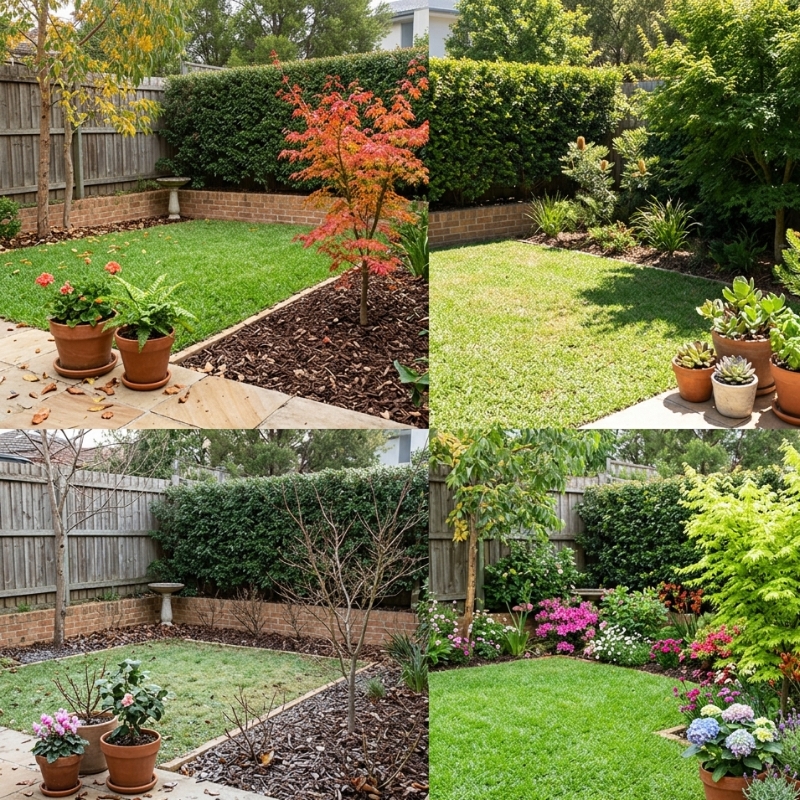
Sydney yards have a funny habit: they look calm one week, then explode the next. A warm spell kicks off lawn growth, a humid change brings fungal issues, a storm drops a blanket of leaves, or a few wet days trigger a weed party you didn’t RSVP to.
This calendar is built for real life in Sydney — coastal salt air, clay patches, shade from neighbouring buildings, and busy weeks where “yard time” is whatever you can squeeze in before the next load of washing. It’s not a perfect plan. It’s a keep-it-tidy-without-losing-your-weekends plan.
How to use this calendar without getting overwhelmed
Aim for two speeds:
• Baseline rhythm (most weeks): 30–60 minutes total
• Seasonal reset (a few times a year): a longer session to catch up and prevent blowouts
Each month below includes:
• Do first (must-do): the small jobs that prevent big problems
• If you’ve got time (nice-to-do): adds polish
• Don’t overdo it: the common mistake that creates extra work later
The “minimum viable yard” checklist (works in any month)
If you only do three things most months, do these:
• Weed before they seed (10–15 minutes, little and often)
• Mow/prune for control, not perfection (keep height and shape sensible)
• Mulch and water smarter (reduce evaporation and stress)
Q: How many hours per month does a tidy Sydney yard really need?
If your yard is small to medium and reasonably established, many households can keep it under control with 2–4 hours per month, plus one seasonal reset each quarter (often tied to the start of spring, mid-summer, early autumn, and late winter). The trick is timing: doing the right small job at the right time beats doing a massive “catch-up weekend” every couple of months.
Summer in Sydney (December–February): growth, storms, heat stress
Summer is when Sydney yards either thrive or tap out. Grass grows fast, hedges put on bulk, and storms can leave you with snapped branches and soggy corners.
December
Do first (must-do)
• Lift your mowing height slightly going into hot weeks (taller grass shades soil)
• Check drainage hot spots after storms (standing water = turf stress and disease risk)
• Mulch top-up where soil is exposed — especially pots and narrow beds
If you’ve got time (nice-to-do)
• Quick edge tidy along paths and garden borders (the fastest “neat” upgrade)
• Light deadheading on flowering plants to keep colour going
Don’t overdo it
• Avoid heavy pruning on heat-stressed plants. If it’s scorching, do the minimum: remove dead or broken growth only.
January
Do first (must-do)
• Water efficiently, not constantly: soak less often but deeper where allowed, and prioritise vulnerable plants (new plantings, pots, full-sun spots)
• Weed patrol after rain: a 10-minute pull while the soil is damp saves hours later
• Watch for turf stress: thinning patches, discolouration, spongy areas (often a sign to adjust watering or mowing height)
If you’ve got time (nice-to-do)
• Refresh potting mix top layer in containers (it improves water penetration)
• Clean gutters if your yard drops leaves — storms + blocked gutters is a classic Sydney summer combo
Don’t overdo it
• Don’t “scalp” the lawn to mow less often. Short grass in Sydney heat is a fast track to patchiness.
February
Do first (must-do)
• Target weeds before they flower/seed (especially the ones that appear overnight after humidity)
• Inspect for pests and fungal issues in dense growth (undersides of leaves, shady corners)
• Trim fast-growing hedges lightly to keep shape without stressing them
If you’ve got time (nice-to-do)
• Spot topdress low lawn areas (thin layer) if you’ve had washouts or storm damage
• Re-stake taller plants that have leaned in wind
Don’t overdo it
• Avoid fertilising right before extreme heat. If you’re feeding, go lighter and water appropriately.
Q: What are the most common Sydney summer yard mistakes?
The big three are:
• Mowing too low (creates heat stress and patchiness)
• Watering too often but too shallow (encourages weak roots)
• Letting weeds seed after rain (turns a small issue into a season-long battle)
Autumn in Sydney (March–May): recovery, soil work, tidy structure
Autumn is the “get ahead” season. The weather usually eases, the soil is still warm, and your efforts tend to stick.
March
Do first (must-do)
• Seasonal reset weekend: clear storm debris, tidy edges, and remove dead growth
• Start reducing watering frequency as nights cool (but don’t let pots dry out completely)
• Lightly reshape hedges to keep them from bulking up through autumn
If you’ve got time (nice-to-do)
• Add compost or soil improver to tired garden beds
• Fill bare patches in beds with hardy, low-fuss plants suited to your light levels
Don’t overdo it
• Don’t try to “fix everything” at once. Pick the top two problem areas (often lawn edge + one messy bed) and win those first.
April
Do first (must-do)
• Mulch refresh: autumn mulching is high value because it protects soil heading into cooler months and suppresses winter weeds
• Weed prevention mindset: remove weeds now so you’re not fighting them all winter
• Prune selectively: remove crossing branches and obvious problem growth (think airflow and shape)
If you’ve got time (nice-to-do)
• Check lawn compaction in high-traffic spots (near the clothesline, gate, kids’ path) and gently loosen where needed
• Start a simple “one bag a month” green waste routine so it doesn’t build up
Don’t overdo it
• Don’t bury plant crowns under thick mulch. Keep mulch a little back from stems and trunks.
May
Do first (must-do)
• Prepare for slower growth: mow less often, but keep things tidy
• Leaf and debris control: remove leaf layers from lawn areas so they don’t smother grass
• Plan your winter weeds approach: the earlier you start, the easier it is
If you’ve got time (nice-to-do)
• Re-pot rootbound plants before winter (containers are easier to manage in cooler weather)
• Clean and sharpen tools — it makes every job faster
Don’t overdo it
• Avoid major renovations right as growth slows. Save big resets for late winter/early spring unless something is failing badly.
Q: When is the best time to mulch in Sydney?
Autumn is a favourite because the soil is still warm, weeds are about to surge, and mulch reduces your workload through winter. A smaller top-up in spring can also help, but an autumn refresh often gives the biggest “effort-to-result” payoff in Sydney conditions.
Winter in Sydney (June–August): slower growth, weeds, tidy basics
Sydney winter isn’t brutal, but growth slows and weeds can become the main event. Many yards look messier in winter simply because people stop doing the small basics.
June
Do first (must-do)
• Weed little and often (winter weeds love neglected edges)
• Tidy borders and paths: visible lines make the whole yard look maintained
• Check for soggy zones after rain (fixing drainage early prevents spring blowouts)
If you’ve got time (nice-to-do)
• Thin out dense shrubs for airflow (helps plant health as humidity returns later)
• Clean up old mulch that has turned into a weed mat
Don’t overdo it
• Don’t overwater. Winter drying is slower; too much water can create disease issues in lawns and plants.
July
Do first (must-do)
• Prune with purpose: remove dead, damaged, and awkward growth (your spring self will thank you)
• Cut back tired perennials where appropriate, keeping the garden tidy and reducing pest hideouts
• Keep the lawn clear of leaf build-up and debris
If you’ve got time (nice-to-do)
• Plan your spring “priority list” now (one lawn fix + one bed improvement + one hedge tidy)
• Re-edge garden beds to stop grass creeping where you don’t want it
Don’t overdo it
• Avoid hard pruning across everything at once. Some plants prefer different pruning times — when unsure, keep it light and structural.
August
Do first (must-do)
• Late-winter reset: a tidy now makes spring far easier
• Pre-spring weed control: get in early before everything takes off
• Check irrigation gear (even if it’s just a trigger nozzle and a hose) so you’re not scrambling later
If you’ve got time (nice-to-do)
• Top up soil in beds that have sunk or compacted
• Refresh potting mix in containers and check drainage holes
Don’t overdo it
• Don’t assume spring will “fix itself.” Sydney spring growth is generous — it rewards preparation and punishes procrastination.
If your outdoor area is tight and you want routines that suit courtyards, narrow side paths, and small lawns, this is where having help maintaining small yards and courtyards can make the whole year feel easier.
Spring in Sydney (September–November): rapid growth, weeds, shape control
Spring is the busiest season in Sydney yards. Growth speeds up fast, weeds compete hard, and everything starts demanding attention at once.
September
Do first (must-do)
• Mow more often (but not lower): keep height sensible and consistent
• Weed before they take over beds and edges
• Feed selectively: focus on areas that are thin or struggling rather than “blanket everything”
If you’ve got time (nice-to-do)
• Re-mulch areas that thinned over winter
• Re-plant bare spots with plants suited to your sunlight (full sun, part shade, deep shade)
Don’t overdo it
• Don’t do a massive overhaul and then ignore maintenance. A little weekly follow-up beats a huge one-off effort.
October
Do first (must-do)
• Hedge and shrub control: light trims keep shape without shocking plants
• Check for fast-moving pests as the weather warms
• Stay ahead of weeds after spring rain
If you’ve got time (nice-to-do)
• Define “clean lines” (edges, path borders, mulch boundaries) — it creates that tidy look even if the beds aren’t perfect
• Identify the one area that always gets away from you (often the side path) and fix it now
Don’t overdo it
• Don’t prune everything hard at once. In spring, light and frequent is usually better than heavy and rare.
November
Do first (must-do)
• Summer prep starts now: mulch, check watering habits, and protect vulnerable plants
• Lawn readiness: keep mowing consistently and avoid stress going into hotter months
• Remove weeds before they seed (again — this is the habit that changes everything)
If you’ve got time (nice-to-do)
• Pot upgrades: move sun-sensitive plants to better positions before the first real heatwave
• Quick tidy of outdoor furniture areas (it keeps the yard “usable,” not just “maintained”)
Don’t overdo it
• Don’t pour time into fussy detail if your baseline isn’t steady. Focus on consistency: mow, weeds, edges, mulch.
When you’re trying to keep up with spring without turning every weekend into a yard marathon, support for compact outdoor spaces can be the difference between “always catching up” and “mostly staying on top.”
Q: What’s the easiest way to make a yard look neat fast?
If you’ve got 20–30 minutes:
• Do a quick edge tidy first (it changes the look instantly)
• Pull obvious weeds near paths and entry points
• Rake or blow debris off hard surfaces
You’re essentially tidying the “frame” of the yard — it creates a clean impression even if you don’t touch every bed.
Water-wise habits that reduce work all year
Sydney yard care and water-wise yard care are basically the same thing: less waste, more consistency, fewer emergencies. If you’re unsure what’s currently allowed in Greater Sydney, check the current Sydney Water Water Wise Guidelines.
Practical, low-effort water-wise upgrades:
• Mulch bare soil (it’s like a doona for moisture)
• Water early/late when allowed (less evaporation)
• Prioritise pots and new plants (they dry fastest)
• Raise mowing height in hot weather (shades soil and reduces stress)
• Fix the “runoff” problem: compacted soil and sloped corners often need soil improvement or a different watering approach
And if the yard always feels like it’s getting away from you in the same places — narrow side access, tiny lawn strips, courtyard beds — it’s worth setting routines that match the space. That’s the whole point of keeping a small yard tidy all year: fewer blowouts, less time lost, more weekends left intact.
FAQs
What month should I start my “big tidy” in Sydney?
Late winter (August) and early spring (September) are popular because you’re setting yourself up for rapid growth. Autumn (March/April) is also ideal for recovery and prevention.
How often should I mow in Sydney?
It depends on growth and grass type, but a simple guide is:
• Spring/summer: more frequent mowing, without cutting too low
• Autumn/winter: less frequent, focusing on neatness and lawn health
Let the growth rate decide the schedule, not the calendar alone.
Why do weeds feel nonstop in Sydney?
Sydney’s mild winters and warm, humid periods mean weeds can grow across more months than in colder climates. The best strategy is short, regular weeding sessions that stop seeding cycles.
Is mulching worth it for small yards and courtyards?
Yes — it’s one of the best “less work later” moves. It reduces evaporation, buffers soil temperature, and suppresses weeds. Courtyards especially benefit because containers and narrow beds dry out quickly.
What should I do after heavy rain or a storm?
- Clear debris off lawn and garden beds
• Check for pooling water and blocked drainage
• Remove snapped branches and stake anything leaning
• Weed while the ground is soft (fastest time to do it)
When should I prune in Sydney?
Keep it simple:
• Winter: structural pruning and tidy-up for many plants
• Spring: light trims and shaping
• Summer: minimal pruning during heat stress (remove dead/damaged growth)