

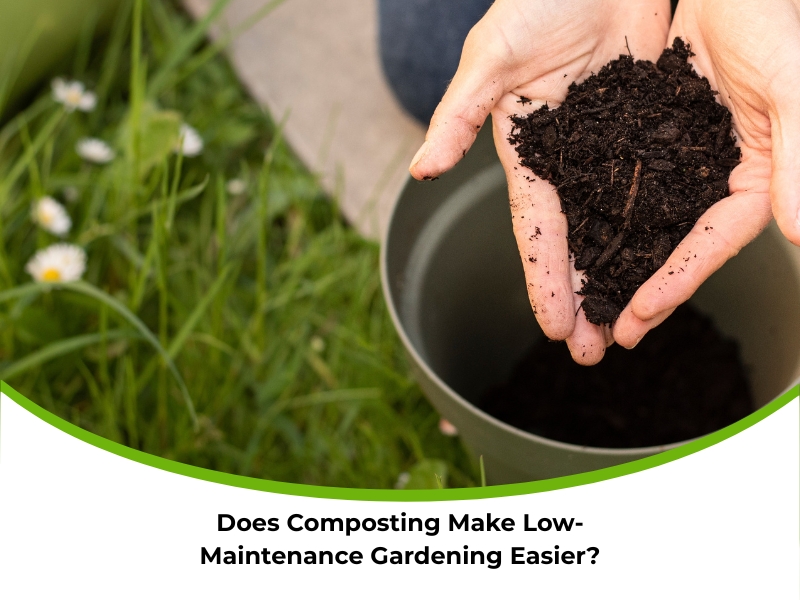
Composting streamlines the day-to-day work behind low maintenance gardening by turning routine scraps into long-lasting soil support. Busy schedules and Sydney’s swing between soaked and parched beds create two headaches: plants stress easily, and bins fill with green waste. When those collide during a heat spell, watering and rescue feeds become hard yakka and weekends vanish. Fortunately, composting solves the pressure from both ends. It builds a structure that holds water and releases nutrients steadily, so jobs shrink and outcomes stay predictable. Moreover, it recycles organics at home, trimming trips and costs. With a simple, repeatable process, gardens ride out the weather without fuss. This article shows how composting fits an easy-care routine, which methods suit small Aussie spaces, and how to cut fertilisers and irrigation without skimping on results.
What role does composting play in low-maintenance gardening?
Compost is the “set-and-forget” engine that powers soil life, moderates moisture, and reduces recurring chores across the seasons. Here are the roles of compost in low-maintenance gardening:
- Slow-release nutrition: Drip-feeds nutrients, avoiding surge-and-crash growth.
- Moisture management: Enhances the soil’s sponge-like structure for more consistent watering intervals.
- Weed suppression: Adds fine particles that help mulch seal light and starve weed seeds.
- Waste reduction: Moves prunings and peels from the bin to the bed.
- System resilience: It buffers heat, wind, and sudden rain, allowing plants to bounce back faster.
However, the shift requires a bit of setup and practice. Initial setup requires effort, but the payoff continues to compound as soil biology develops. For seasonal heavy lifts—such as reshaping beds or large top-ups—professional help can complement DIY rhythms, including low maintenance gardening services in Sydney, while you handle simple weekly touches. Wrap the loop by feeding the heap when you mow, prune, or cook; the routine soon runs on autopilot. In short, composting anchors the easy-care plan that saves time when life gets flat.
How does compost improve soil for easier garden care?
Compost boosts aggregation, pore space, and microbial activity, so soil acts like a sponge and a pantry at once. Here are the soil-improving actions to focus on.
- Top-dressing: Spread 10–20 mm on beds; worms drag it down while you rest.
- Incorporation for new beds: Blend 10–20% by volume through the top 150 mm.
- Microbial kickstart: Pair compost with light mulch to protect fungi and keep moisture.
- Structure repair: Use after traffic or construction to restore crumb and infiltration.
- pH moderation: Organic matter buffers swings, calming nutrient uptake.
As soil stress drops, you’ll notice faster plant recovery after hot winds and fewer rescue waterings. Healthier biology also means fewer pest flare-ups, because robust plants are better equipped to cope with pressure. For design-level guidance on bed profiles and subsoil prep, explore building healthier soil for lasting gardens, then scale the approach to your block’s quirks. Keep additions small but regular, and finish with mulch so gains don’t evaporate.
Why is organic waste recycling essential in low-maintenance gardening?
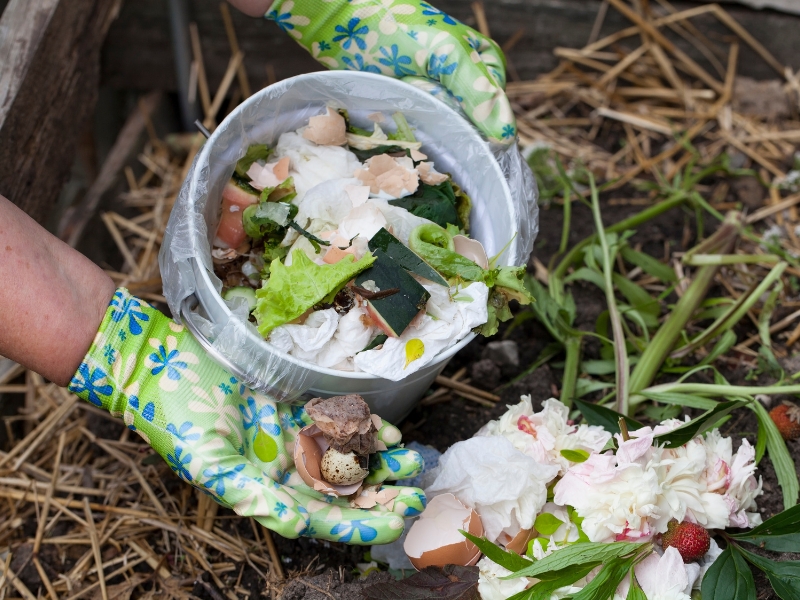
Recycling organics on-site transforms daily scraps into steady, low-effort inputs, reducing costs, clutter, and weeds over time. Here are the recycling wins that make gardening easier.
- Less kerbside waste: Divert prunings and peels; less bin waste means cleaner yards.
- Free inputs: Replace some bagged fertiliser with home-grown humus.
- Fewer weeds: Hot, balanced heaps can neutralise many seeds before they reach beds.
- Smoother growth: Frequent micro-additions prevent feast-or-famine nutrition.
- Local resilience: Keep materials and carbon cycling at home, not on trucks.
Moreover, organic recycling tightens the whole system. Clean feedstock and correct ratios reduce odours and pests. Keep lids secure, maintain airflow, and right-size the bin for your household. For effective light-blocking tactics that pair perfectly with compost top-dressings, understanding the natural garden care that keeps weeds away is crucial. Blend those moves with seasonal composting and watch weed pressure fall without chemical blitzes.
What composting methods work best for small Australian gardens?
Small Sydney spaces shine with compact systems that stay tidy, aerated, and easy to feed year-round. Here are the [method options that fit tight spaces].
- Hot heap: Great volume-eater if you’ve got space; manage greens/browns for speed.
- Tumbler bin: Clean and compact, with batches processing quickly and turning every day or two.
- Worm farm: Apartment-friendly; produces castings and liquid “tea” for seedlings.
- Bokashi: Ferments scraps indoors; bury outputs or feed another system.
- Dual-bin rotation: One active, one maturing; avoids running out during winter.
Each choice has trade-offs. Tumblers can dry out; worm farms dislike extremes; hot heaps demand mass and turning. If the balance slips, compost can smell if mismanaged, so add browns for carbon and fluff the mix. For city-specific ideas that match houses, units, and terraces, lean on practical composting habits for every Sydney home. Pick one method, give it a burn for a month, then tweak airflow, moisture, and feed rate.
How can composting reduce the need for chemical fertilisers and irrigation?
Compost releases nutrients slowly and lifts water-holding capacity, so you irrigate less and rely on synthetics only for targeted gaps. Here are the [practical steps that cut inputs].
- Top-dress first: Lay compost thinly, then mulch 75–100 mm to lock moisture.
- Deep-water, less often: Encourage roots to chase moisture and ride out heat.
- Feed soil, not plants: Use compost and controlled-release for steady growth.
- Monitor response: Adjust thickness and timing according to plant vigour and leaf colour.
- Shade roots: Use groundcovers and natives to reduce evaporation around key plants.
Cuts watering time when the soil is protected and alive; hose sessions shrink even during nor’easters. To connect compost with common Sydney tasks and keep things aligned with local services, use the quick reference below.
| Garden task / service | Compost tie-in | Maintenance win |
| Landscaping & bed setup | Blend compost into topsoil profiles | Better structure; fewer reworks over seasons |
| Weeding & garden tidy-ups | Hot composting neutralises many seeds; mulch over | Lower weed pressure; fewer hand-pull sessions |
| Lawn mowing & edging | Use fine compost as a light top-dress in renovations | Improved turf resilience between cuts |
| Pruning & hedge trimming | Shred prunings as “browns” to balance kitchen “greens” | Free carbon source; faster, odour-free heaps |
| Retaining walls & bed edges | Compost improves soil behind beds for planting success | Healthier plants; less remedial work later |
| Fertilising support | Compost complements slow-release feeds | Fewer synthetic applications over the year |
Why does composting align with sustainable, low maintenance gardening?
Composting keeps carbon local, trims transport, and builds soil that rides out heat, wind, and deluge with steadier performance. Here are the [sustainability gains that show up fast].
- Local loop: Convert waste into valuable inputs without relying on trucks or plastic bags.
- Water-wise beds: Organic matter retains moisture even on hot, windy afternoons.
- Fewer chemicals: Healthier roots need fewer fast-acting salts and boosters.
- Biodiversity boost: Microbes, worms, and fungi lift plant health and stability.
- Fail-safe design: Beds recover quicker after weather shocks.
As observation improves, you’ll spot trouble early and act small. Meanwhile, your plants will handle Sydney’s mood swings with fewer rescues and a cooler footprint. It’s a fair dinkum way to garden that banks returns over years, not weeks.
Final thoughts on composting for a low-effort, thriving garden
Composting anchors a practical routine: collect scraps, balance the heap, top-dress thinly, and mulch straight after. In turn, beds stay moist, weeds back off, and chores shrink. When timing is tight, set a weekly reminder to “feed the heap,” then watch the garden hum along with far fewer emergencies. For a soft hand with planning or seasonal resets—design tweaks, soil prep, or tidy-ups. Discover how A Bargain Gardener can enhance your garden, and pair it with consistent, home-grown compost to minimise maintenance.