

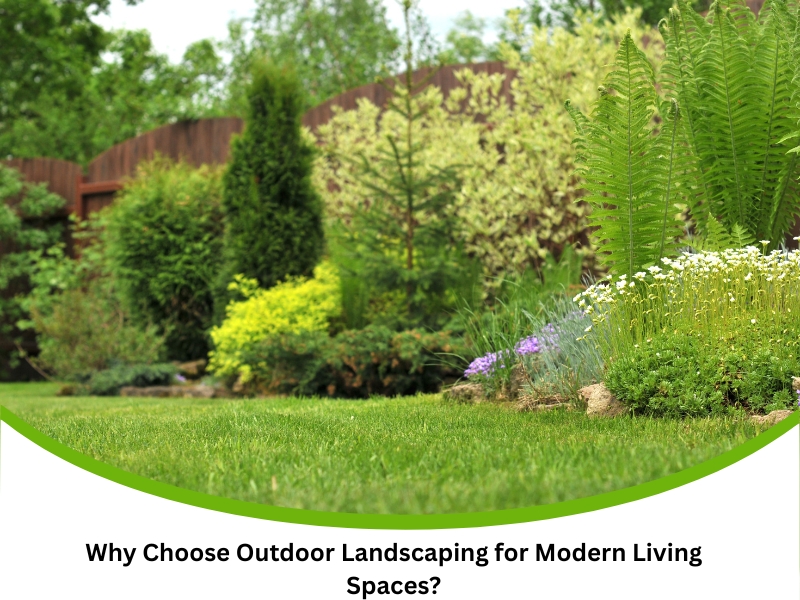
A well‑designed outdoor space doesn’t just look good—your outdoor area starts pulling double duty. Maybe you’ll catch a quiet sunrise cup of tea, maybe you’ll host friends under soft lights, or perhaps you simply want your kids or pets to have room to roam safely. Outdoor landscaping adds beauty and purpose. Whether your yard is compact or sprawling, the best landscaping choices make it more livable, easier to care for, and kinder to the planet. This article explores how outdoor landscaping enhances everyday living and why it’s a smart investment for comfort, efficiency, and long‑term satisfaction.
What challenges do homeowners face without outdoor landscaping?
Many homeowners think about landscaping only when problems show up. By then, costs are mounting, and disappointment has already set in.
- Rainwater pools in unexpected places, making paths slippery or flooding garden beds—basic drainage without greenery can lead to serious damage.
- Plants get tired fast: wrong soil, harsh sun, droughts, or overwatering—choosing without thought leads to replacements and frustration.
- Concrete or bare ground heats up, reflecting heat back indoors; outdoors, you lose shade and comfort.
- Without borders or privacy, your backyard can feel open but inhospitable—not a sanctuary to relax in but a chore to maintain.
Ignoring landscaping often means paying later: repair bills, higher cooling costs, lost time. Seeing these issues early lets you plan a yard that works, not one that wears you down.
Which common mistakes reduce the impact of outdoor landscaping?
It’s surprising how often people try hard, only to miss the mark because of the same few missteps. Knowing them up front saves headaches.
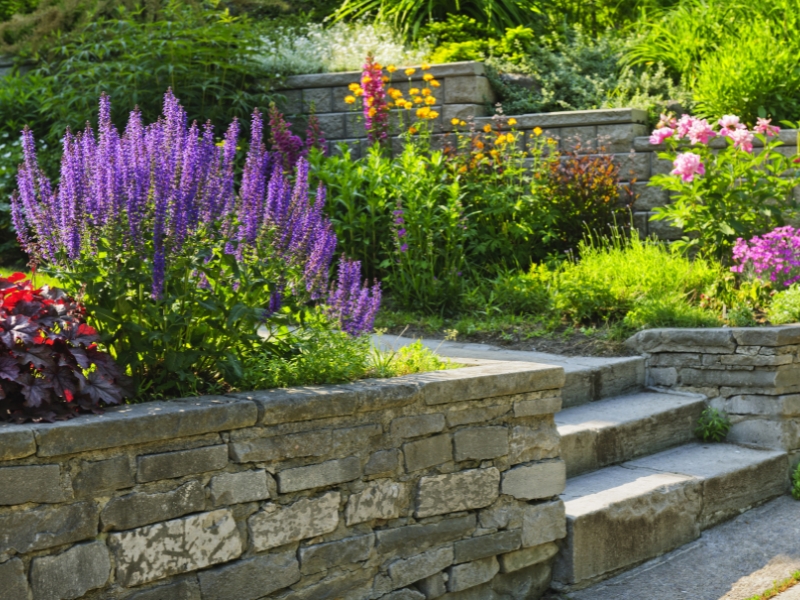
- Picking plants simply because they look pretty without checking if they’ll cope under the Australian sun or in local soil, many die or need constant watering.
- Building patios or walkways that don’t match house style or yard scale—they end up looking shoehorned instead of integrated.
- Laying too much hard material like concrete or stone, runoff becomes a problem, weeds creep in, and heat builds up.
- Skipping a maintenance plan—no easy access for trimming, no irrigation setup, little thought for cleanup—leads to a landscape that looks good at first, then struggles.
A better approach is to find reliable landscaping solutions that transform outdoor spaces so your effort gives you joy, not constant upkeep.
Why can neglecting landscaping make maintenance harder?
Missing essentials early almost always means more work later. It’s like ignoring a small leak until the whole roof is wet.
- Weeds take over neglected patches—they’re persistent, and removing them often feels like a losing battle.
- Soil compaction and runoff degrade healthy ground—roots suffer, plants struggle, and water doesn’t behave.
- Trees or shrubs grow into inconvenient places; light is blocked, branches are everywhere, and leaves are in the drains.
- Watering becomes guesswork: too much water wastes money, or too little makes plants suffer.
You avoid much of this by embracing sustainable landscaping and garden design practices and setting systems up early—mulch, correct irrigation, plant choices that suit the weather.
Where does outdoor landscaping make the biggest difference?
Not every part of your yard matters equally. Focus on certain zones, and you get impact fast.
- The front and entrance: a warm welcome, tidy path, a splash of green or colour—they say a lot before someone steps inside.
- Outdoor living: decks, patios, corners made for lounge chairs—these are where you’ll spend time, so comfort and shade matter.
- Boundaries, under trees, or against fences: fill these with natives or layered planting to soften edges, improve privacy, and soil health.
- Difficult or oddly shaped spaces: vertical gardens, compact design elements—good ideas can make them highlights rather than “ignored corners.”
If yours is a smaller yard, try using landscaping designs tailored to smaller spaces that maximise what you’ve got without crowding.
| Feature | Without Landscaping | With Professional Landscaping |
| Water efficiency | Water wasted, many dry spells | Drought‑tolerant plants, smart irrigation |
| Property value | Looks average, minimal street presence | Strong curb appeal, well-maintained entry |
| Outdoor usability | Bare patios, hot zones, unused corners | Comfortable spaces that invite use |
| Maintenance time | Major chore, frequent cleanups | Easier upkeep; fewer surprises |
| Environmental impact | Soil erosion leads to less biodiversity | Healthier soil, more wildlife, better resilience |
How do experts personalise outdoor landscaping for every home?
Real experts look at the land, the climate, and what you need—not just what looks good in magazines.
- They test the soil, check the slope, look at sun/shade hours, and map out water flow; those details avoid problems later.
- They recommend plants that fit local conditions—natives, tough species that can manage sun, drought, or odd soil.
- They pick materials, colours, textures so garden elements echo your house. Good design feels like it was always meant to be there.
- They build in features like rainwater harvesting, mulching, shade structures or permeable paving to reduce cost and effort over time.
One big early decision is choosing the right plants for your landscaping project—get that wrong and many of the rest struggle.
Why does outdoor landscaping matter for first impressions?
What visitors see first sets a tone—good or bad—for everything else. Landscaping plays a big role here.
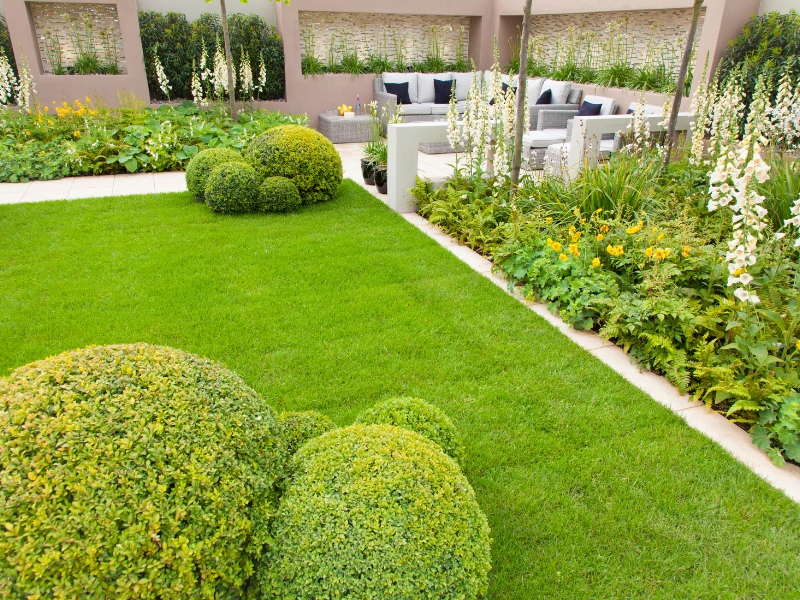
- A tidy path, edged beds, clean lines—it shows you care. If the outside looks neglected, people assume the inside is too.
- Matching plant style and textures with your home’s architecture makes everything gel. Mismatched styles often look jarring.
- Entrance features: lighting, gates, framed views—they guide your eyes, create anticipation, and make arrival feel intentional.
- Curb appeal really counts—not just for guests but for resale: a home that looks cared for gets attention.
When done correctly, landscaping sends a signal: your home is cared for, your details count, and your space is more than just a house.
Final thoughts on creating lasting outdoor spaces
You don’t need fancy landscaping to end up with a space you love. It’s more about matching what you do every day. Perhaps you need a spot to sit with your morning coffee, a child-safe corner, or simply a yard that drains properly after storms. Using materials that last, choosing plants that thrive locally, designing for shade and water flow—all of that matters. If your yard suits the way you live, even a simple design can feel powerful. To make that vision real, explore how A Bargain Gardener provides landscaping with sustainability in mind—it’s about making your space greener, stronger, and more you.