

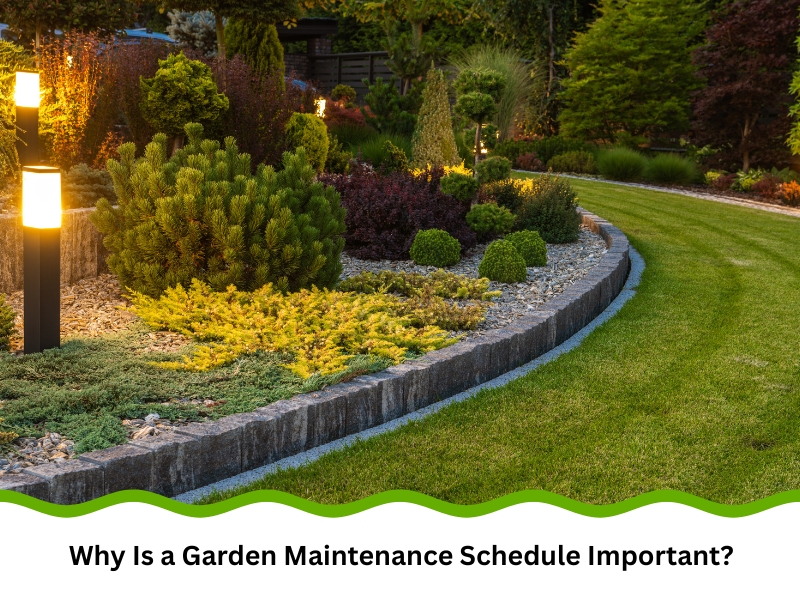
Maintaining a garden without a schedule can lead to inconsistent care, overlooked tasks, and a yard that quickly loses its charm. A garden maintenance schedule helps you stay on top of seasonal jobs, ensuring your plants thrive all year round. Without it, tasks pile up, pests spread, and healthy growth becomes a struggle. A structured plan supports everything from lawn mowing to fertilising and weeding—creating balance in your landscape. This article explores how a maintenance schedule can transform your gardening efforts into a reliable, stress-free routine that supports a healthy, beautiful outdoor space.
How do neglected gardens lose their visual appeal?
Neglected gardens lose their visual appeal when basic care routines are skipped over time, leaving plants stressed and spaces overgrown. Regular upkeep makes the difference between a lush oasis and a patchy, tired-looking yard. Skipping care doesn’t just affect appearances—it invites pests, diseases, and weather damage. A forgotten hedge or an ignored watering session can quickly unravel months of progress. Here are the common consequences of neglecting garden maintenance:
- Overgrown hedges and grass create a wild, unmanaged look that hides your garden’s structure.
- Weeds quickly invade and compete with your plants for sunlight and nutrients, weakening your entire garden.
- Dead leaves and debris make your space appear messy and block essential sunlight from reaching the soil.
- Untended soil dries out or becomes compacted, preventing healthy root growth and water absorption.
Without a routine, it’s easy for your garden to lose the character and care that once made it vibrant.
What challenges arise without a garden maintenance schedule?
Lack of structure in garden care leads to inconsistent results, overlooked issues, and unnecessary expenses for recovery. A well-maintained garden doesn’t happen by accident—it takes rhythm and planning. Without a schedule, tasks get forgotten or delayed, leading to plant stress or even death. Worse, unexpected issues like fungal outbreaks or infestations spread unchecked when you’re not inspecting regularly. Here are the most common challenges gardeners face without a schedule:
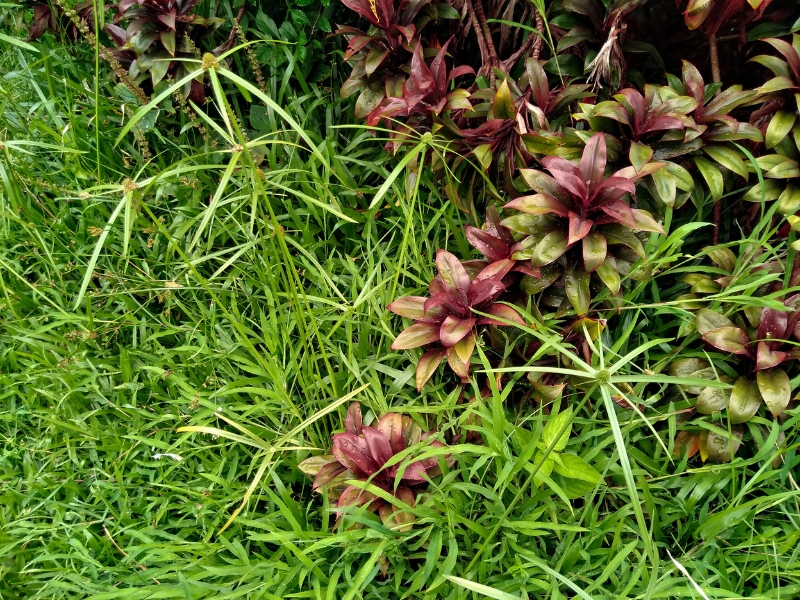
- Missed seasonal tasks, such as pruning or mulching, can leave plants exposed or hinder growth.
- Uneven watering routines lead to root rot in some plants and dehydration in others.
- Untracked fertiliser use can burn roots or leave soil depleted, stunting long-term health.
- Higher costs for replacements, treatments, or professional help when emergencies arise.
Without guidance, you may unknowingly create an environment where even the hardiest plants struggle to survive. This leads many to search for trusted gardening solutions designed for maintaining healthy and vibrant gardens to bring order back to their outdoor spaces.
Could inconsistent care damage your plants long-term?
Inconsistent care damages your plants long-term by weakening their natural resistance to pests, weather, and disease. Gardeners often underestimate the cumulative effects of missed watering, improper pruning, or delayed pest management. While a single oversight may not seem critical, repeating those gaps season after season causes plants to deteriorate. Their immune systems weaken, growth slows, and they become easy targets for infestations or fungal diseases. Here are the long-term effects of inconsistent garden care:
- Reduced flowering and fruit production from stressed or nutrient-deficient plants.
- Poor root development makes it harder for plants to survive dry spells or strong winds.
- Increased susceptibility to pests that target weak or already damaged vegetation.
- A gradual decline in soil quality affects every future planting you attempt.
These effects snowball over time. Inconsistent care also explains many of the reasons some plants struggle to grow properly, even when the soil and sunlight seem ideal on paper.
When should you start planning a garden maintenance schedule?
You should start planning a garden maintenance schedule at the beginning of a new season, ideally before planting begins. By planning early, you’ll time key tasks like soil preparation, pruning, and fertilising to match your local climate and plant cycles. This gives your garden the strongest start while helping you avoid common seasonal pitfalls like root shock or overwatering. Here are the key times to kick off your maintenance planning:
- Start of spring for fertilising, planting, and reviving the lawn after cooler months.
- Late summer for weeding, deadheading flowers, and prepping for the autumn bloom.
- Early autumn to plant cold-hardy varieties and mulch ahead of temperature drops.
- Mid-winter for pruning dormant shrubs and cleaning tools before the growing season resumes.
Seasonal care also includes tasks like weed control, which are easier to manage if you’re ahead of the curve. Regular planning helps you implement effective ways to stop weeds from growing in your garden before they take hold.
Which tools make a garden maintenance schedule easier to follow?
The best tools for garden maintenance are ones that help streamline your workflow and track tasks with minimal fuss. The right tools don’t just make the work easier—they help you keep a consistent rhythm. From physical hand tools to automated systems, choosing the right setup saves time and prevents oversights that cost your garden in the long run. Here are the tools that support a smart maintenance routine:
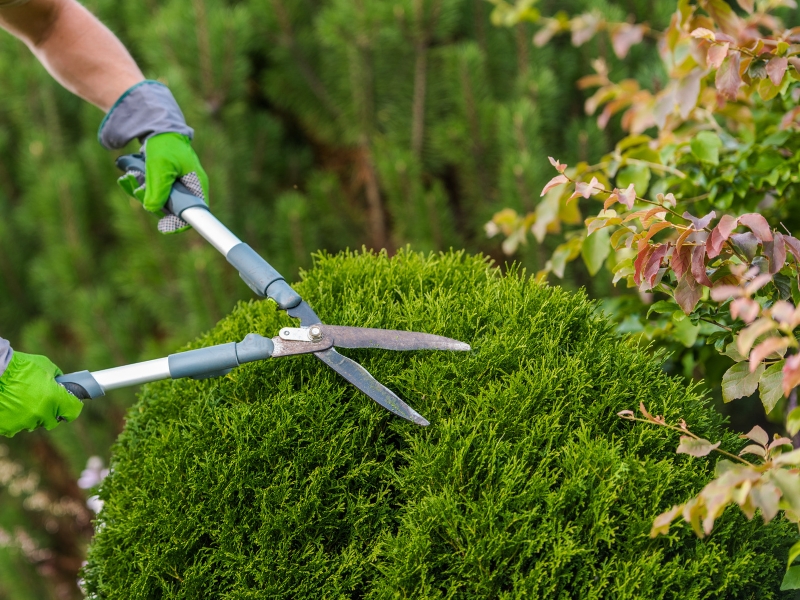
- Sharp, ergonomic tools like pruners and shears for precise and efficient trimming.
- Water timers and drip systems that maintain consistent hydration with minimal effort.
- Compost bins and soil testers that ensure your garden’s nutrient cycle stays healthy.
- Calendar printouts or wall planners for quick visual reference to seasonal tasks.
Using smart tools can prevent mistakes and reduce labour, especially for those managing larger spaces or mixed-plant gardens. Incorporating practical systems like these also supports sustainable landscaping and garden designs, helping you reduce water waste and maintain long-term soil health.
How can professionals simplify your garden maintenance routine?
Professionals simplify your garden maintenance routine by applying expertise, planning, and consistency that you may not have time to manage yourself. If you’re flat out or managing a larger, more complex garden, bringing in a professional makes perfect sense. They bring seasonal awareness, tailored treatments, and regular servicing that transform a stressful task into a well-oiled routine. Here are the ways professionals enhance your garden care:
- Scheduled visits ensure your garden is never neglected or overrun, even during holidays.
- Trained eyes spot early signs of disease, pest issues, or nutrient imbalances.
- Access to commercial-grade tools and materials speeds up maintenance without compromising quality.
- Custom care plans align with your plant types, soil conditions, and garden design.
To help compare your options, here’s a snapshot of what professionals typically offer:
| Service Feature | DIY Effort Required | Professional Benefit |
| Regular maintenance visits | High | Consistent upkeep without reminders |
| Pest and disease monitoring | Moderate | Early detection and targeted treatment |
| Seasonal plant planning | Moderate to High | Expertise in local planting conditions |
| Lawn care and fertilisation | High | Balanced application and time-saving |
| Irrigation system checks | Moderate | Prevents overwatering and water waste |
They often handle overlooked aspects, saving you from making reactive, costly fixes later. With the added bonus of their expertise, you can enjoy your space instead of wrestling with it.
Final thoughts on maintaining a healthy garden year-round
A garden thrives on rhythm. A consistent maintenance schedule reduces surprises and supports long-term plant health. Skipping it means inviting stress, disease, and overgrowth. Whether you take the reins yourself or hire help, structured planning ensures your outdoor space stays a place you want to spend time in—season after season. To maintain that rhythm with expert care, learn how A Bargain Gardener enhances every garden with expert attention.