

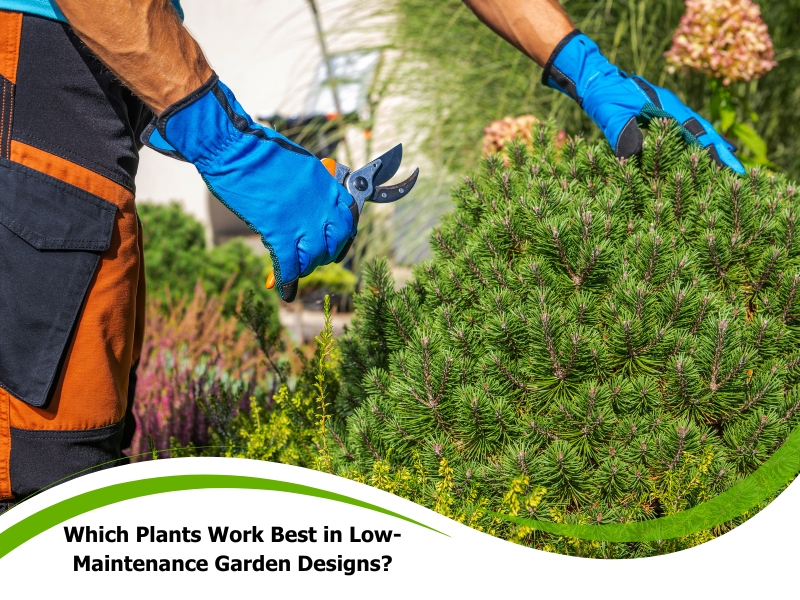
Aussie gardens can be a joy — but no one wants to spend every weekend knee-deep in weeds or dragging hoses around. If you’re aiming for low-maintenance garden designs, choosing the right plants is only half the story. It’s just as much about how the space works together — paths, lighting, irrigation, and all the little touches that keep things running without a fuss. That doesn’t mean your garden has to look boring or sparse. Quite the opposite. With a bit of planning, your outdoor space can feel lush and inviting while still being easy to maintain. Whether you have a courtyard in the city or a larger backyard out in the suburbs, there are innovative ways to keep it low-effort and high-impact. Let’s dig into the practical stuff — the design choices that take the pressure off and give you a garden that mostly looks after itself.
Why are pathways and paving important in low maintenance garden designs?
Pathways do more than get you from A to B. Done right, they cut down on wear, reduce weeds, and help you avoid soggy patches after rain. That’s especially handy if your soil turns to mush in winter.
Go for materials like gravel, concrete, or stone that won’t need a whole lot of upkeep. Large pavers spaced out with groundcovers, such as native violets? Cracking idea. They break up the space and cut down mowing zones. A few solid reasons to invest in good paving:
- Keeps soil where it should be — not on your shoes
- Helps direct water flow, avoiding muddy build-up
- Creates structure and style without extra effort
- Breaks up garden beds for easier access
If you skip this part, you’ll constantly be tidying up scattered mulch and trampling your lawn. Doesn’t sound like fun. Weaving in efficient approaches to low maintenance garden designs early on means you won’t need to rip things up later.
How does lighting enhance low maintenance garden designs at night?
Garden lighting can do a lot of heavy lifting — especially if you’re after a space that looks good after dark without blowing the power bill. Solar LEDs or low-voltage setups are the go-to. They’re set-and-forget once installed. Here’s how lighting can work in your favour:
- Makes your space safer for nighttime strolls
- Highlights key features without needing much upkeep
- Sets the mood without extra gear or cables
- Saves energy when paired with timers or sensors
Stick to warm-toned lights, and place them low to avoid glare. Spike lights and bollards are easy to move if you change your mind later. Installing harsh floodlights or fiddly setups creates more hassle than it’s worth. Keep it simple, and you’ll enjoy the benefits night after night. Keen for more ideas that suit tighter spaces? Understanding practical landscaping solutions for compact outdoor spaces and clever lighting tips.
Which edging solutions keep low maintenance garden designs neat?
Nothing ruins a tidy garden faster than messy edges. If you’re spending half your time trimming the line between lawn and beds, it’s time for proper edging. Reliable choices include:
- Steel for sharp lines and long life
- Timber for a rustic feel (though it might wear)
- Brick or stone for charm and durability
- Recycled plastic is eco-friendly
Install once, and you’ll barely need to touch it again. Skip it, though, and grass will creep in where it’s not wanted.
Quick breakdown for comparison:
| Edging Material | Lifespan | Style | Effort Level |
| Steel | Long-term | Sleek/modern | Low |
| Timber | Medium | Natural | Medium |
| Brick/Stone | Long-term | Classic | Medium |
| Plastic | Long-term | Neutral | Low |
Keeping edges locked in also helps your mulch and soil stay put after heavy rain. While you’re at it, review your watering zones — consider sustainable watering methods to make garden care easier and avoid soggy spots.
Can retaining walls enhance the functionality of low maintenance garden designs?
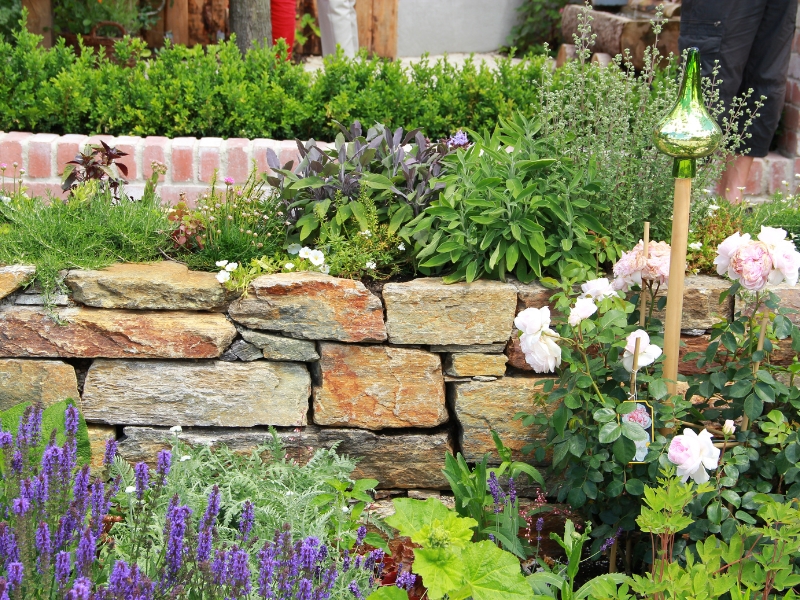
If your yard’s on a slope, retaining walls can be a game-changer. But they’re not just for holding back soil — they also help structure your space and stop things from turning into a runoff zone every time it rains. You’ll notice the benefits straight away:
- Levels out areas for seating, planting or relaxing
- Slows erosion and improves drainage
- Doubles as casual seating when built right
- Adds texture without complicating your layout
Aim for walls under a metre to skip extra council red tape. Overdesigning here can create more problems than it solves. Modular blocks and dry-stacked stone make life easier if you’re doing it yourself. Toss in some native groundcovers at the base, and your wall will blend seamlessly into the landscape. Want to do the right thing for your local environment, too? it is a good idea to review on waterway-friendly gardening practices for sustainable gardens.
What role does clever irrigation play in creating low-maintenance garden designs?
Let’s be honest — no one wants to stand around with a hose every afternoon. That’s where smart irrigation steps in. Drip lines, timers, and moisture sensors ensure your plants receive what they need, when they need it. Why it’s worth the switch:
- Cuts down water use without starving your garden
- Keeps moisture levels consistent, even in dry spells
- Reduces the risk of fungal issues from overwatering
- Works while you’re off doing other things
Relying on memory for watering is a sure way to ruin your garden during a heatwave. With the right setup, it’s one less thing to think about. Group plants by watering needs and use mulch to lock in moisture. Rainwater tanks paired with filters can also feed directly into your irrigation system. Simple, efficient, and drought-friendly.
How does seasonal planning help maintain garden throughout the year?
A set-and-forget garden still needs a bit of love — just not all the time. Knowing what to do and when keeps things ticking over without big weekend blitzes. What thoughtful seasonal planning gives you:
- Keeps pests and weeds from getting a foothold
- Encourages growth when it counts
- Spread your efforts out across the year.
- Helps plants thrive in changing weather
Choose plants suited to your climate and soil — that’s half the battle. Think lomandra, kangaroo paw, and grevilleas. Ignoring the rhythm of the seasons creates more drama than needed.
Stick to a loose plan, and you’ll never feel swamped.
Final thoughts
Keeping a garden looking sharp shouldn’t feel like a second job. When you get the bones right — good paths, neat edges, smart watering, solid seasonal habits — the plants mostly take care of themselves. That means more time enjoying your space, and less time chasing weeds or hauling hoses. If you’re not sure where to start, Ask A Bargain Gardener about tailored garden solutions that match your yard and lifestyle.