

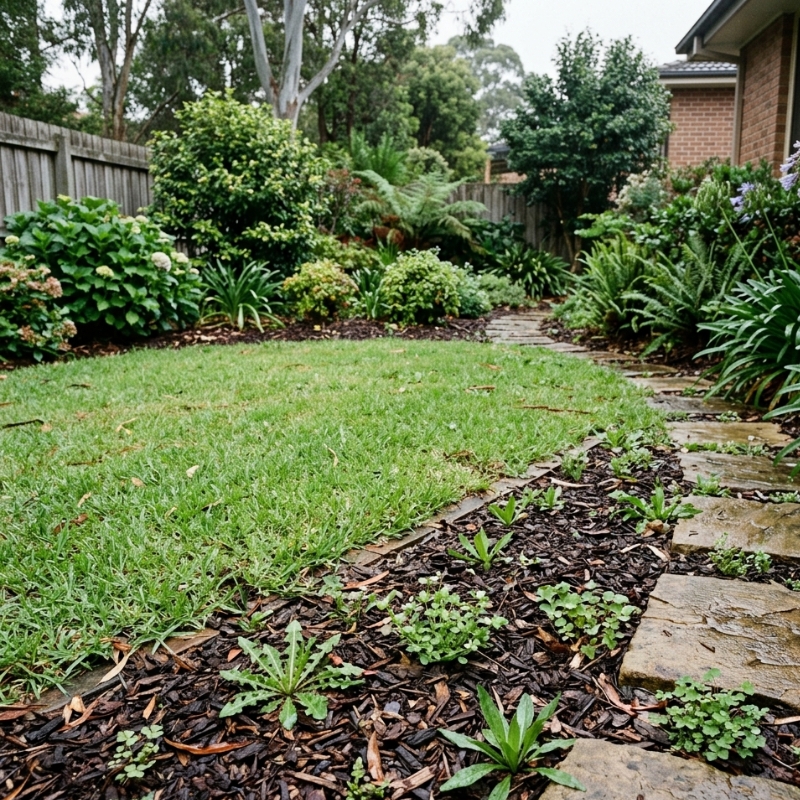
Sydney gardens are living, breathing ecosystems. That’s part of the charm, but it’s also why weeding can feel like a never-ending job when “garden invaders” seem to appear overnight, especially after warm rain, humid weeks, or a stretch of mild weather.
The trick isn’t just removing what you can see. It’s understanding how each invader spreads and what conditions your yard is accidentally providing. Once you know those two things, you can stop the repeat takeovers that make it feel like you’re stuck on a never-ending loop.
This guide focuses on the weeds and aggressive volunteer plants Sydney homeowners commonly battle across lawns, garden beds, and hard edges like pavers and driveways. It’s practical, local, and built around prevention as much as removal.
What counts as a “garden invader” in Sydney?
In this context, “garden invader” means any unwanted plant that:
• spreads faster than you can keep up
• crowds out lawn or ornamentals
• reappears quickly after pulling or mowing
• drops seed everywhere (or regrows from bulbs/tubers)
• creeps into cracks, edges, and bare patches
Some are true weeds, some are “volunteers” from neighbouring gardens or birds, and some are hardy groundcovers that escaped the spot you originally planted them.
Why do they take over so easily in Sydney
Sydney’s climate is a big part of it. You can get:
• mild winters that don’t fully shut growth down
• warm, wet summers where everything accelerates
• humid shoulder seasons where seeds germinate quickly
• sudden rain after dry spells that triggers a burst of growth
But the bigger driver is usually what’s happening in your yard:
• bare soil in beds
• thin turf or patchy lawn
• mowing too short (scalping)
• compacted soil and poor drainage
• gaps along edges where runners creep in
• mulch that’s too thin (or breaking down to “soil”)
If you fix the conditions, you reduce the pressure. If you only remove the visible growth, it tends to come right back.
Quick ID tip that saves hours
Before you pull anything, check how it spreads:
• Seeders (lots of seed heads): reduce seed drop fast
• Creepers/runners (stems that crawl): you need edging and barrier thinking
• Bulbs/tubers (underground “storage”): pulling leaves alone won’t solve it
• Taproots (one deep root): get the full root, or it reshoots
Sydney’s most common garden invaders (and how to stop each one)
Below are common culprits across Sydney. You might not have all of them, but most backyards have a rotating cast.
Bindii (jo-jo)
Where it shows up: lawns, especially thin or stressed turf
How it spreads: seeds and burrs (those painful prickles)
Why it takes over: bare patches and short mowing give it space
How to stop it from taking over
• Keep the lawn thicker so bindii can’t find light at the soil level
• Raise mowing height slightly and mow consistently (avoid scalping)
• Address thin spots early with overseeding or turf repair
• Don’t let it set burrs — once burrs form, you’re already behind
Q&A
Why does bindii feel worse some years?
Because conditions line up, a thin lawn, a warm spell, and a few weeks of seed production can make it explode across a yard. The goal is to strengthen turf before it gets that chance.
Clover
Where it shows up: lawns and edges, often where grass is thin
How it spreads: seed and creeping stems
Why it takes over: it tolerates compacted soil and low mowing
How to stop it taking over
• Improve turf density (thicker grass shades it out)
• Aerate compacted areas if the soil feels hard underfoot
• Feed and water your lawn consistently (not in big infrequent blasts)
• Fix drainage issues so grass isn’t constantly stressed
Winter grass (Poa annua)
Where it shows up: lawns, especially in cooler months
How it spreads: prolific seed heads
Why it takes over: it thrives when lawn growth slows, then seeds fast
How to stop it from taking over
• Don’t let seed heads mature (mow frequently during its peak)
• Keep turf healthy heading into cooler weather
• Repair bare patches before winter sets in
• Watch for it along shaded edges first (it often starts there)
Q&A
Why does winter grass come back even after mowing?
Because it can produce seed heads low in the turf canopy. Mowing helps, but you also need stronger lawn coverage and fewer bare patches.
Oxalis (soursob / creeping oxalis)
Where it shows up: garden beds, lawns, and pavers
How it spreads: seed and (depending on type) bulbs/tubers
Why it takes over: it’s tough, low-growing, and loves disturbed soil
How to stop it from taking over
• Remove as much of the underground structure as possible (don’t just snap stems)
• Mulch garden beds properly so seedlings can’t establish
• Replant bare bed areas quickly with dense, low-maintenance plants
• Keep edges tight to prevent creep into lawns and paths
Nutgrass (Cyperus)
Where it shows up: lawns and moist, irrigated areas
How it spreads: underground tubers (“nuts”) that can multiply
Why it takes over: wet soil, poor drainage, and regular watering
How to stop it from taking over
• Improve drainage where possible (nutgrass loves consistently wet ground)
• Avoid overwatering and fix leaky irrigation
• Don’t dig and spread tubers through beds (it can multiply fast if chopped up)
• Treat it as a “system” issue: moisture + tubers, not just leaves
Q&A
How do I tell nutgrass from normal grass?
Nutgrass often looks glossier and grows faster than the surrounding turf. It can stand upright in little clusters and shoots back quickly after mowing. If the area is always damp, that’s another clue.
Fleabane
Where it shows up: garden beds, along fences, disturbed areas
How it spreads: wind-blown seed (it travels)
Why it takes over: bare soil and neglected corners
How to stop it from taking over
• Remove it before it flowers and releases seed
• Prioritise fence lines and back corners (seed factories)
• Mulch and/or plant out those bare areas so seedlings can’t settle
• Keep a seasonal “walk-around” habit to catch it early
Chickweed
Where it shows up: shaded, moist garden beds and edges
How it spreads: seed and sprawling growth
Why it takes over: mild weather and damp soils
How to stop it from taking over
• Improve airflow by thinning overcrowded plantings
• Water in the morning so the soil surface dries quicker
• Mulch to reduce germination
• Pull early while roots are shallow
Creeping grasses (couch-like runners)
Where it shows up: bed edges, under hedges, along paths
How it spreads: runners that creep and root
Why it takes over: gaps along borders and soft edges
How to stop it from taking over
• Install or maintain a crisp edge between lawn and beds
• Use physical barriers where runners are persistent
• Don’t let runners “bridge” across mulch onto soil
• Pulling needs to include the runner network, not just the top growth
“Mystery seedlings” from birds (privet-like volunteers and assorted sprouters)
Where it shows up: under trees, fence lines, mulched beds
How it spreads: birds drop seed, seedlings pop up everywhere
Why it takes over: mulch breaks down and becomes a seed-friendly layer
How to stop it from taking over
• Do regular quick checks after rain (seedlings are easiest then)
• Top up mulch before it turns into compost-like soil
• Remove seedlings early, before roots lignify and become woody
• If you’re unsure what it is, don’t let it mature
The prevention system that works across most Sydney gardens
Instead of fighting 10 different battles, build a baseline system that makes your garden harder to invade.
1) Eliminate “open invitations” (bare soil and thin turf)
Bare patches are the main reason invaders win. Your goal:
• garden beds: no exposed soil for long
• lawns: no thin, scalped zones where light hits the soil
If you’re trying to reset a yard that’s already overwhelmed, getting weeding support for Sydney gardens can help you reach a clean baseline faster, so prevention actually has a chance to work.
2) Mulch properly (and maintain it)
Mulch isn’t a one-time job. In Sydney, it breaks down.
Good mulch habits:
• keep a consistent layer (too thin = weeds germinate easily)
• top up when it starts looking “soil-like”
• keep mulch pulled back slightly from plant stems to avoid rot
• Combine mulch with dense planting for the best results
If your beds are constantly being re-invaded, the goal isn’t “perfectly weed-free forever.” It’s “small, manageable touch-ups” because the system does most of the work.
If you want your beds to stay stable through the seasons, aim to keep garden beds under control by pairing mulch depth with groundcovers and quick removal of new seedlings before they mature.
3) Fix the edge zone (where most invasions start)
Most takeovers begin at: https://abargaingardener.com.au/
• lawn-to-bed edges
• fence lines
• behind sheds and side passages
• around pavers and path borders
Do a 5-minute edge check weekly in growth seasons. That habit beats the once-a-year “big battle” every time.
4) Support turf density (the best lawn defence)
Healthy turf is a living weed mat. It blocks light and space.
To keep your lawn thicker and cleaner, focus on:
• mowing a little higher (most lawns fail from being cut too short)
• consistent watering (avoid stress cycles)
• fixing drainage and compaction
• repairing bare patches quickly, not “someday”
Q&A
Is a thicker lawn really enough to stop most lawn weeds?
It’s not magic, but it’s the biggest lever you control. Most lawn weeds need light at soil level and space to establish. Dense turf removes both.
5) Know when a weed is more than “just annoying”
Some plants are regulated or considered noxious in NSW, and landholders can have responsibilities to control certain species depending on location. If you suspect a plant is invasive beyond your property line (or you’re not sure what it is), check a reliable NSW source like NSW WeedWise.
That doesn’t mean panic. It means: identify first, then act appropriately.
Practical Sydney seasonal guide: what to watch for
Sydney isn’t a “four hard seasons” city, but patterns still show up.
Late summer to autumn
• growth surges after storms and humidity
• fence-line invaders and wind-blown seeders spike
• paver cracks become “mini garden beds” if debris accumulates
What to do:
• edge clean-up and crack clearing
• pull seeders before flowering
• top up mulch before cooler months
Winter to early spring
• winter grass and cool-season invaders appear in lawns
• shaded, damp-bed weeds thrive
What to do:
• mow often enough to reduce seed set
• improve airflow in crowded beds
• avoid overwatering shaded areas
Spring to early summer
• fast germination and rapid spread
• runners and creepers push into gaps
• lawn growth accelerates (good time to thicken turf)
What to do:
• repair bare patches
• sharpen your edge definition
• keep mulch consistent and replant exposed soil
“Why does it keep coming back?” Troubleshooting checklist
If you’re removing the same invader repeatedly, one of these is usually true:
• You’re removing the top growth but not the root/bulb/tuber network
• It’s setting seed before you notice it
• Your mulch has broken down and become seed-friendly soil
• Your lawn is too thin or mown too short
• Watering or drainage is favouring the invader (common with nutgrass)
• The source is external (wind-blown seed, neighbouring yard, birds)
Q&A
What’s the fastest way to reduce repeat outbreaks?
Cut off the seed cycle and remove the “open space” it’s exploiting. That usually means: stop seed drop + cover bare soil + thicken turf.
When to call in help (without turning this into a “sales” thing)
DIY works well when:
• You catch invaders early
• You can identify the spread mechanism
• The area is small and accessible
• You can follow up regularly
Getting professional help makes sense when:
• the takeover is across multiple zones (lawn + beds + pavers)
• it’s regrowing from tubers/bulbs repeatedly
• you don’t have time to do follow-up work (which is the real key)
• you’re unsure if the plant is regulated/invasive in NSW
• The yard needs a reset so prevention can finally stick
FAQ
What are the most common weeds in Sydney lawns?
Sydney lawns often struggle with bindii, clover, winter grass, oxalis, and nutgrass (especially in damp areas). Which ones dominate depends on turf health, mowing height, and how many bare patches exist.
Why do weeds grow faster after rain in Sydney?
Warm rain plus humidity is ideal for germination and rapid growth. Many invaders also take advantage of softened soil, which makes it easier for runners to root and seedlings to establish.
How do I stop weeds growing through mulch?
Mulch must be thick enough and maintained. Thin mulch lets light through and becomes a seedbed as it breaks down. Top it up, keep it evenly spread, and combine it with dense planting so there’s no exposed soil.
How do I stop weeds in pavers and driveway cracks?
Remove the debris that builds up in cracks (it becomes soil), then keep edges clean and dry where possible. Regular quick maintenance beats occasional big clean-ups because seedlings establish fast in warm conditions.
How can I tell if a weed is a regulated invasive in NSW?
If you’re not sure what the plant is, don’t let it mature or set seed. Use a NSW authority resource like NSW WeedWise to check identification and any control requirements, especially if it’s spreading beyond your property.
What’s the best long-term strategy to reduce weeds without constant pulling?
Build a prevention system: thicken turf, maintain mulch depth, eliminate bare soil, keep edges defined, and do short weekly checks during peak growth periods. Prevention turns “hours” into “minutes.”