

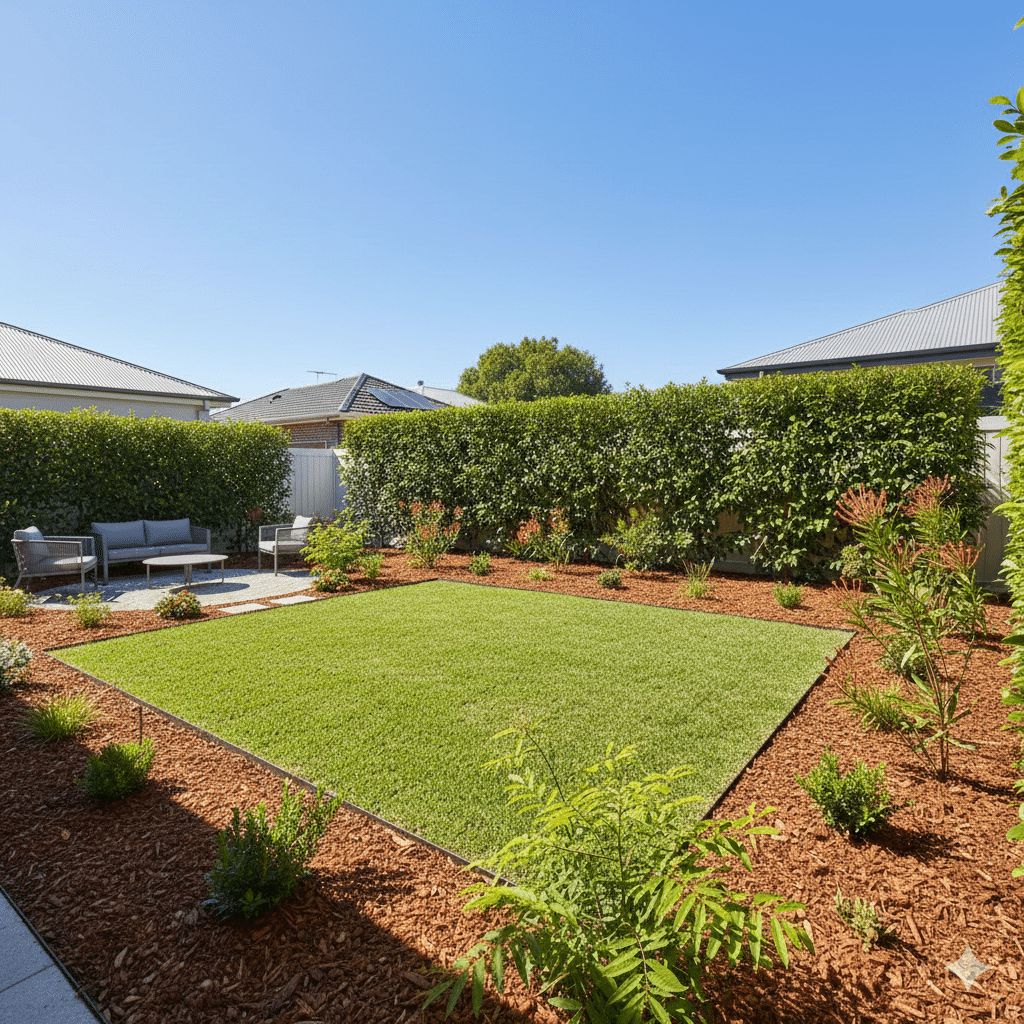
Sydney gardens grow fast. Warm temperatures, coastal humidity, heavy rain events, and long summers mean things can look messy quickly if you miss a few key moments. The good news is you don’t need to be out there every weekend to keep a garden looking neat.
This guide breaks your garden into season-by-season priorities, focusing only on the tasks that actually prevent blow-outs later. Think of it as a low-maintenance system rather than a never-ending to-do list.
If you’re time-poor, the goal is simple: do the right jobs at the right time, then let the garden do the rest.
How this checklist works (and why it saves time)
Instead of listing everything you could do, this checklist focuses on:
• Tasks that reduce future work
• Jobs that stop weeds, pests, and mess before they start
• Seasonal timing that suits Sydney’s climate
• “Set and forget” habits that keep things tidy for weeks
You’ll see short checklists for each season, plus quick decision triggers so you know what matters and what can wait.
Summer (December–February): Control growth, protect plants, minimise watering effort
Sydney summers are hot, humid, and unpredictable. Gardens grow quickly, weeds explode after rain, and watering mistakes can undo months of progress.
Summer priorities (low effort, high impact)
- Lock moisture into the soil
- Keep lawns and edges tidy (appearance matters most now)
- Reduce stress on plants during heatwaves
- Stop weeds before they seed
Mulch: your biggest time-saver
If you only do one thing in summer, make it mulch.
- Top up mulch to 50–75 mm deep (not piled against stems)
- Focus on garden beds first, not lawns
- Mulch suppresses weeds, reduces watering, and evens out soil temperature
If mulch is thin or patchy, you’ll be pulling weeds every week by February.
Watering smarter, not more often
Overwatering is one of the biggest causes of disease and shallow roots.
A low-maintenance approach:
• Water deeply, less often
• Early morning is best
• Adjust frequency during heatwaves, not duration
• Skip watering if rain has soaked the soil
Sydney watering rules change depending on conditions, so always follow local guidelines. Sydney Water provides clear, up-to-date advice on water-wise garden habits, which helps avoid fines and wasted effort.
Lawn: tidy edges beat constant mowing
Instead of mowing more:
• Keep mower height slightly higher in summer
• Edge lawns every 2–3 weeks for a “finished” look
• Spot-treat weeds rather than blanket spraying
A neatly edged lawn looks cared for, even if mowing slips by a week.
Quick summer decision triggers
- Leaves yellowing + soggy soil → reduce watering
- Powdery residue on leaves → improve airflow, avoid evening watering
- Weeds appearing everywhere → Mulch depth is too thin
If you’re aiming for consistent results without overthinking it, routines like this form the backbone of effective garden maintenance in Sydney when time is limited.
Autumn (March–May): Reset and prepare for slower growth
Autumn is the quiet achiever season. Growth slows, temperatures drop, and it’s the best time to set your garden up for winter with minimal effort.
Autumn priorities
- Clean up summer damage
- Improve soil health
- Light pruning to prevent winter mess
- Get weeds under control before winter rains
Pruning: less is more
Avoid heavy pruning unless a plant needs it.
Low-maintenance pruning rules:
• Remove dead, damaged, or crossing branches
• Lightly shape fast growers
• Avoid hard pruning before cold snaps
This prevents messy regrowth and reduces disease risk.
Soil improvement without digging
Autumn is ideal for:
• Adding compost as a top-dress
• Applying slow-release fertiliser
• Letting worms and rain do the work
No digging required, and your plants head into winter stronger.
Weed control that actually lasts
Autumn weeds set the stage for winter frustration.
- Hand-pull or spot-spray before seed heads form
- Mulch again if summer has broken it down
- Focus on garden edges and fence lines first
A simple seasonal garden care checklist like this saves hours.
Winter (June–August): Minimal work, maximum payoff
Sydney winters are mild, which makes them perfect for quiet garden improvements that don’t demand weekly attention.
Winter priorities
- Structural tidying
- Drainage and runoff checks
- Lawn recovery
- Preparing for spring growth
Structural pruning and safety checks
Winter is the safest time to:
• Remove dead wood
• Thin overcrowded shrubs
• Check for branches rubbing roofs or fences
Avoid pruning frost-sensitive plants until spring.
Drainage and soil checks
Heavy winter rain reveals problems you won’t see in summer.
After rain:
• Look for pooling water
• Check downpipes draining into garden beds
• Note muddy patches that kill grass
Fixing drainage now prevents lawn loss and disease later.
Lawn care (low effort version)
- Mow less frequently
- Keep blades sharp
- Avoid walking on soggy grass
Winter lawns don’t need perfection—just protection.
If keeping on top of these basics feels overwhelming, many homeowners look for help keeping your garden tidy before spring growth kicks in.
Spring (September–November): Guide growth, don’t fight it
Spring growth in Sydney can be explosive. The trick is steering it early rather than battling it all season.
Spring priorities
- Shape plants early
- Feed once, not repeatedly
- Lock in weed prevention
- Refresh mulch before the heat arrives
Early shaping saves summer work
- Lightly prune hedges and shrubs
- Remove fast, soft growth before it hardens
- Keep plants within boundaries now
Miss this window and summer pruning becomes constant.
Feed once, then stop
Overfeeding creates weak, fast growth.
- Use slow-release fertiliser
- Apply once early in spring
- Avoid liquid feeds unless plants show a deficiency
Strong, steady growth equals less pruning later.
Mulch before summer hits
Spring mulch:
• Stops weed seeds from germinating
• Protects soil before heatwaves
• Reduces watering needs later
This is one of the most important low-maintenance moves of the year.
The “30-minute fortnight” tidy routine
You don’t need marathon sessions. A simple rotation works:
Every fortnight:
• Edge lawn and paths
• Spot-weed obvious offenders
• Remove fallen branches and leaves
• Check irrigation or hoses
This keeps the garden visually neat without exhausting weekends.
Weather-event mini checklists (Sydney-specific)
After heavy rain
- Check mulch hasn’t washed away
- Look for water pooling
- Remove soggy plant debris
- Delay mowing until lawns dry
During heatwaves
- Skip fertiliser and pruning
- Water deeply early morning only
- Shade vulnerable pots if possible
- Accept slower growth—it’s normal
After strong winds
- Remove broken branches promptly
- Check stakes and ties
- Clear debris before it smothers plants
What you can safely skip (and still look tidy)
Low-maintenance gardening means knowing what not to do.
You can usually skip:
• Weekly fertilising
• Perfect lawns year-round
• Constant pruning
• Daily watering
Focus effort where it changes outcomes, not appearances alone.
When it’s worth calling in a professional
Even the most hands-off garden needs backup sometimes.
Consider professional help if:
• Trees or large shrubs need height reduction
• Drainage problems persist after winter
• Pests or diseases keep returning
• The garden has fallen behind and needs a reset
At that point, consistent garden maintenance in Sydney becomes less about effort and more about expertise and safety.
Frequently asked questions
How often should I really be working in the garden?
For most Sydney homes, 30–60 minutes every fortnight plus seasonal resets is enough to stay tidy.
Is mulch really that important?
Yes. Mulch reduces weeds, watering, and plant stress. Skipping it guarantees more work later.
Can I garden year-round in Sydney?
Yes, but winter and autumn are the easiest times to make improvements with minimal effort.
What’s the biggest mistake people make?
Doing too much too often—overwatering, overfeeding, and over-pruning all create more work long-term.
Final takeaway
A tidy Sydney garden doesn’t come from constant effort—it comes from timing. By following a simple seasonal checklist and focusing on the few tasks that actually matter, you can keep things under control without living outside.
If your goal is less work and more consistency, this approach delivers exactly that.