

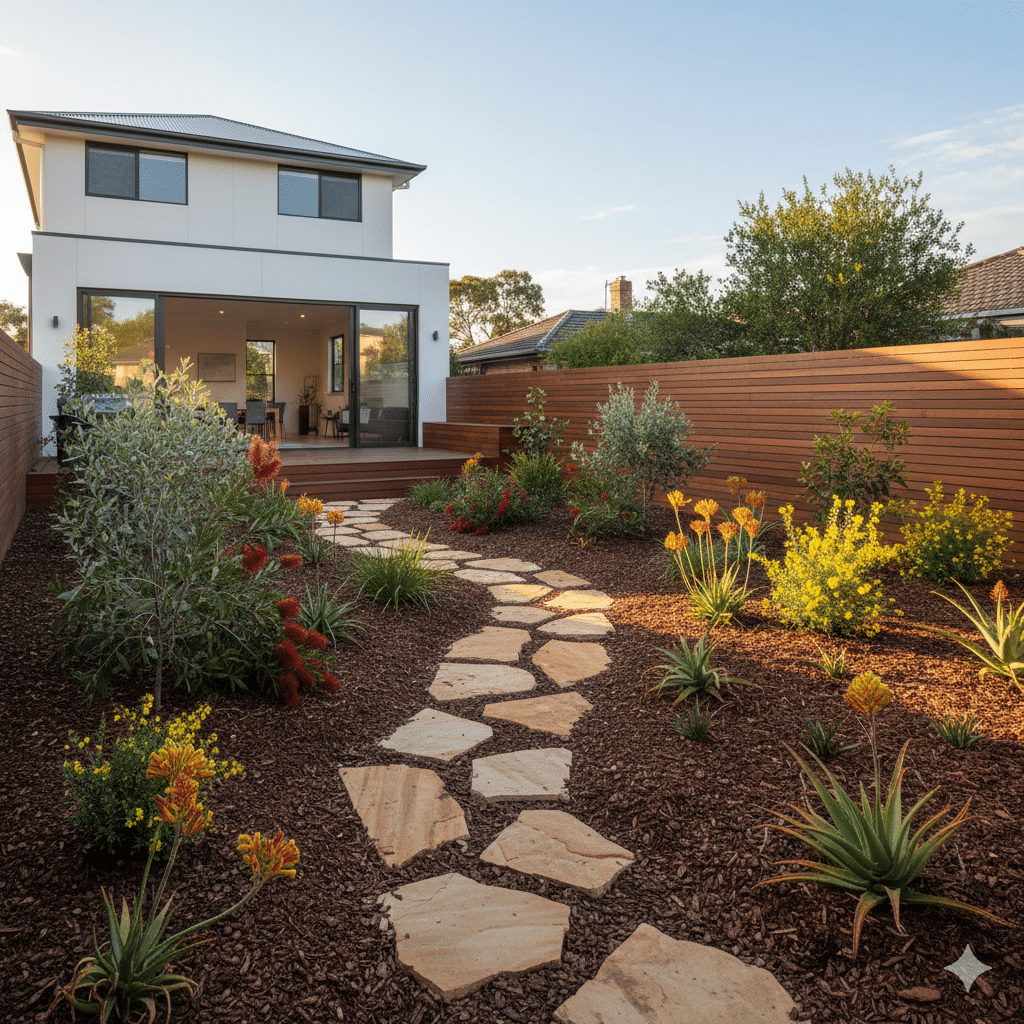
Creating a beautiful outdoor space shouldn’t feel like a full-time job, especially in Sydney, where the weather can swing between hot, dry summers and mild, wet winters. Many homeowners want a garden that looks great without constant upkeep, and the good news is that low-maintenance gardening is entirely achievable with the right strategies. This guide walks you through plant selection, garden design, soil preparation, watering techniques, and ongoing care tailored to Australia’s unique climate.
Understanding Australia’s Climate and Its Impact on Gardening
Why Climate Awareness Matters
Australia’s climate ranges from tropical in the north to temperate in the south, but Sydney sits comfortably in a warm coastal zone. This matters because temperature, rainfall, sunlight, and humidity all influence which plants thrive with minimal effort.
Sydney’s Microclimates
Sydney has several microclimates that affect gardening success:
• Coastal suburbs often experience salty air and strong sea breezes.
• Inner-city areas retain heat, creating warmer growing pockets.
• Western Sydney is hotter and drier than the coast.
Choosing plants based on your microclimate ensures long-term resilience and less maintenance.
Choosing the Right Low-Maintenance Plants
Native Plants for Effortless Gardening
Native Australian plants are naturally adapted to withstand drought, heat, pests, and local soil types. Excellent low-maintenance options for Sydney include:
• Kangaroo paw
• Coastal rosemary
• Bottlebrush
• Native daisies
• Grevillea varieties
These plants thrive with minimal watering and suit both modern and traditional gardens.
Drought-Tolerant and Hardy Species
If you prefer a more diverse palette, drought-resistant exotics also perform well:
• Lavender
• Rosemary
• Yucca
• Agave
• Mediterranean shrubs
Combining natives with hardy exotics creates a resilient and attractive year-round display.
Designing a Garden That Requires Less Work
Use Mulch to Reduce Weeds and Lock in Moisture
Mulching is one of the easiest ways to lower maintenance in your garden. It helps:
• Keep soil cool
• Prevent weed growth
• Reduce evaporation
• Minimise watering needs
Wood chips, bark, and pea straw are excellent mulch types suitable for Sydney’s climate.
Group Plants by Watering Needs
When plants with similar water requirements are grouped together, irrigation becomes easier and more efficient. This reduces water waste and prevents plants from becoming stressed.
Create Functional Spaces
Consider incorporating:
• Stone pathways
• Gravel zones
• Raised garden beds
• Artificial turf in high-traffic areas
These reduce mowing, pruning, and watering while adding structure and style.
Soil Preparation for Long-Term Garden Health
Why Good Soil Makes a Low-Maintenance Garden Easier
Healthy soil holds nutrients and moisture better, meaning less watering and fertilising. Sydney’s soils vary between sandy and clay-heavy, so improving texture is essential.
How to Improve Your Soil
• Add compost to boost nutrients
• Mix in organic matter to improve drainage
• Use gypsum for clay soil
• Incorporate sand for sandy soil
With stronger soil structure, plants become more drought resistant and require less ongoing care.
Water-Smart Gardening Strategies
Adopt Water-Efficient Habits
Watering smartly is key to low-maintenance gardening. A reliable resource is the NSW Government’s guidance on water-efficient gardening, which outlines ways homeowners can conserve water while keeping plants healthy.
Irrigation Systems for Easy Maintenance
Installing a simple irrigation system can significantly reduce daily effort. Consider:
• Drip irrigation
• Soaker hoses
• Automatic timers
These distribute water efficiently and reduce overwatering.
Water Timing
Water early in the morning to reduce evaporation and support plant hydration throughout the day.
Seasonal Gardening Tips for Sydney Homeowners
Summer Care
• Increase mulch depth
• Water deeply but infrequently
• Choose plants that tolerate heatwaves
Autumn Tasks
• Light pruning
• Fertilising natives and perennials
• Preparing soil for winter growth
Winter Maintenance
• Minimal watering
• Remove debris and dead foliage
• Plant cold-friendly natives
Spring Tune-Up
• Refresh mulch
• Prune flowering shrubs
• Introduce new low-maintenance species
How to Keep Your Low-Maintenance Garden Looking Beautiful
Reduce Pruning Requirements
Choose plants with naturally compact shapes or slow growth rates. This prevents the need for frequent trimming and shaping.
Smart Lawn Alternatives
Lawns require significant upkeep, so consider:
• Native groundcovers
• Gravel landscaping
• Artificial turf sections
These solutions reduce mowing and watering without compromising on appearance.
Add Structural Features
Garden beds, edging, and pavers minimise maintenance and help retain neatness.
When to Call the Professionals
Sometimes, even low-maintenance gardens need attention, especially during seasonal transitions or after periods of neglect. If you’re looking for assistance, you can explore professional gardening services in Sydney to help with design, planting, and upkeep.
These services can correct soil issues, install irrigation, and provide plant care recommendations tailored to your home environment.
For homeowners wanting more clarity about legal or environmental requirements, you can also learn more about gardening requirements and how they apply across Sydney’s different suburbs.
If you’re considering a full garden makeover, you can discover comprehensive gardening solutions available that combine maintenance, landscaping, and seasonal services for long-term ease.