

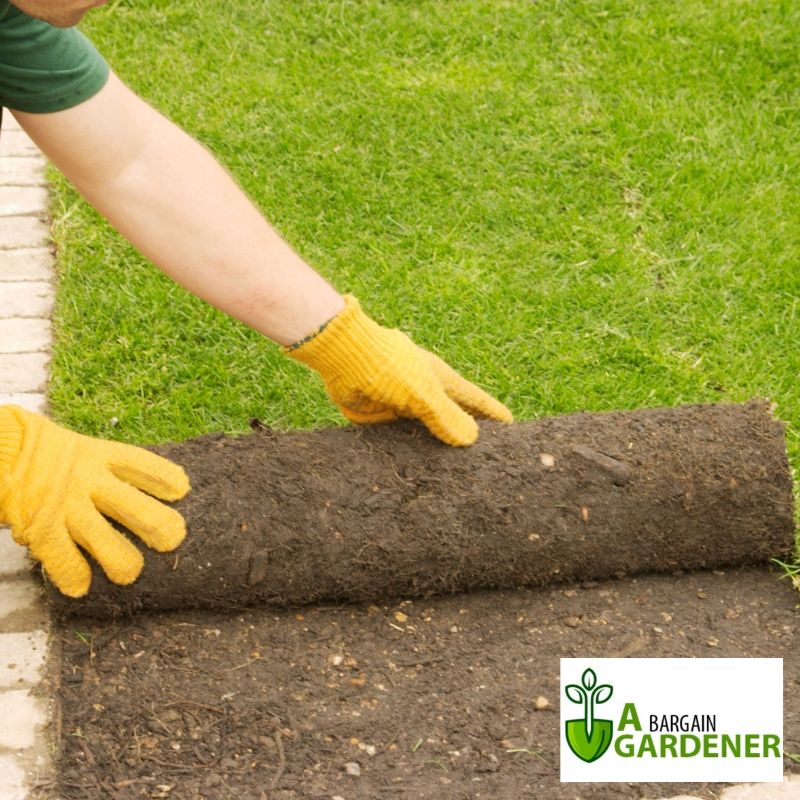
Many Aussie lawns don’t last as long as people hope. Heat, shade, pets, and heavy use quickly wear grass down, leaving bare patches and thin growth. Often, the problem isn’t the care, but the type of turf chosen in the first place. Pick a weak variety and you’ll spend more time fixing than enjoying your yard. Pick the right one, and it stays green with less effort. Buffalo turf grass is one of the toughest options for local yards. This article explores why it’s a smart choice for durability.
Why do many lawns struggle to maintain durability over time?
Durability doesn’t disappear overnight; it erodes bit by bit. The day-to-day grind—prams, pets, heat, and hose bans—slowly chips away at weaker lawns. If the grass isn’t naturally tough or well-rooted, it’s only a matter of time before thin spots show up and weeds start muscling in. Here are the common reasons lawns lose staying power:
- Many lawns weaken after extended dry spells, especially where irrigation is irregular and soils drain quickly in summer heat.
- Seasonal whiplash—hot days followed by cool nights—stresses grasses not bred for variable Australian conditions across suburbs and microclimates.
- Routine mowing at the wrong height repeatedly scalps the crown, leading to poor recovery from wear and slower bounce-back after traffic.
- Shallow roots from compacted soil struggle to access moisture, so growth stalls and bare patches widen with each weekend of activity.
In short, when a lawn lacks resilience in its roots and leaf structure, every bit of stress lands harder. Over time, maintenance becomes reactive, not preventative, and you end up chasing problems instead of enjoying the yard.
What common conditions reduce the strength of grass lawns?
Even well-laid turf can falter if the setting isn’t right. Soil type, drainage, and light patterns vary across blocks, and those small differences decide whether a lawn thrives or limps along. Getting the basics wrong multiplies wear and tear. Here are the conditions that most often sap lawn strength:
- Poor fertility or the wrong pH limits nutrient uptake, so plants look tired even when you’re feeding them regularly.
- Waterlogging after rain suffocates roots, and repeated soggy spells invite disease that knocks growth for weeks at a time.
- Deep shade under fences or trees thins leaf density, leaving gaps that collect heat and invite opportunistic weeds.
- Constant foot traffic compacts soil, reducing pore space for air and water, and slowing new root growth in busy sections.
None of these issues acts alone. Together, they create a loop of decline—thinner cover, more weeds, more stress—until renovation feels inevitable. Fixing site conditions and choosing turf that tolerates them makes all the difference.
How do poor turf choices lead to costly lawn replacements?
Choosing the wrong turf variety might not seem like a major problem at first, but over time, the impact becomes noticeable. Here are the ways poor turf selection can lead to expensive and unnecessary replacements:
- Lawns planted with unsuitable grass often need repeated reseeding or patching, raising long-term maintenance costs.
- Weak grass varieties fail to withstand local climates, resulting in early die-off that forces homeowners to start over.
- Poor turf decisions lead to extra fertiliser and water use, adding both expense and environmental strain.
- When grass cannot survive regular activity, the lawn loses its appeal and eventually requires full replacement.
Replacing turf isn’t only about cost — it’s also about time and effort. A simple factor like maintaining soil balance for stronger and greener lawns can also decide whether your turf survives or struggles.
Why does buffalo turf grass maintain durability better than others?
Buffalo has built its reputation on toughness that suits Australian backyards. Broad leaves, solid roots, and a knack for recovering after use make it a dependable, good-looking option when you want less hassle and more Saturday arvos on the deck. Here are the core strengths that set Buffalo apart:
- Its deep, fibrous root system provides high drought resilience, helping the lawn hold colour through heat without constant watering.
- Buffalo grass turf shows better shade tolerance than many warm-season options, so borderline areas still maintain decent coverage.
- The broad leaf and dense thatch create reduced weed intrusion, limiting the need for chemicals and spot-spraying throughout the year.
- Routine care is streamlined—slower vertical growth and robust leaves equal low ongoing maintenance for busy households.
These traits give buffalo an edge where strength matters most. Homeowners seeking lasting performance often explore buffalo turf grass options designed for lasting lawns.
Can buffalo turf grass handle heavy foot traffic effectively?
If your lawn doubles as a cricket pitch, dog runway, and kids’ obstacle course, traffic tolerance isn’t optional. You need grass that compresses, springs back, and keeps its footing when life gets lively. Here are the reasons Buffalo copes with busy yards:
- High wear tolerance means it rebounds after backyard games, with leaf blades that resist tearing under frequent footsteps.
- A thick, cushioned surface feels comfortable underfoot yet holds together, so your lawn looks tidy even after events.
- Buffalo turf grass laying helps the sod knit quickly into the base, anchoring roots and stabilising traffic-prone areas early on.
- Faster recovery after compaction shortens the window for weeds, so you maintain density instead of fighting constant invasion.
With the right mowing height and occasional aeration, buffalo keeps its shape under pressure. That resilience saves time, saves water, and keeps the yard ready for a spur-of-the-moment barbecue.
What are the benefits of buffalo turf grass that improve long-term lawn health?
Durability is half the story; the other half is staying healthy without fuss. Buffalo balances toughness with a tidy look, which is exactly what most households want—strong, soft, and easy to live with. Here are the long-term health benefits that count:
- Buffalo turf near me stays greener for longer on moderate watering, which is handy when restrictions tighten or rain goes missing.
- Natural tolerance of common pests and diseases reduces disruption to growth and limits seasonal damage cycles.
- Adaptability to mixed conditions—sun, partial shade, and light traffic—lowers the risk of gaps forming across tricky zones.
- Stable, binding roots help the soil resist erosion, so surfaces remain even and safe for walking year-round.
These gains stack up: fewer inputs, fewer headaches, and a lawn that looks after itself between scheduled care. That’s the holy grail for most households—reliable performance without babysitting. Here’s a quick table comparing buffalo turf features with standard lawn types:
| Feature | Buffalo Turf Grass | Standard Lawn Grass |
| Drought resistance | High | Moderate |
| Shade tolerance | Strong | Weak |
| Recovery from wear | Fast | Slow |
| Maintenance needs | Low | High |
For yards with heavy shade, understanding the turf types suitable for shaded areas is crucial in deciding whether buffalo or another variety will provide better coverage.
Final thoughts on choosing buffalo turf grass for durability
When the backyard sees plenty of action, Buffalo earns its keep. It handles wear, keeps colour through heat, and tolerates shade better than many other grass varieties. Most importantly, it does this without constant tinkering, which is a relief when life’s busy.
If you’re considering a new lawn or thinking about replacing tired turf, buffalo is a reliable, low-maintenance option built for Australian conditions. You can explore how A Bargain Gardener creates durable and healthy lawns to see how professional turf laying can bring out the best in your yard.