

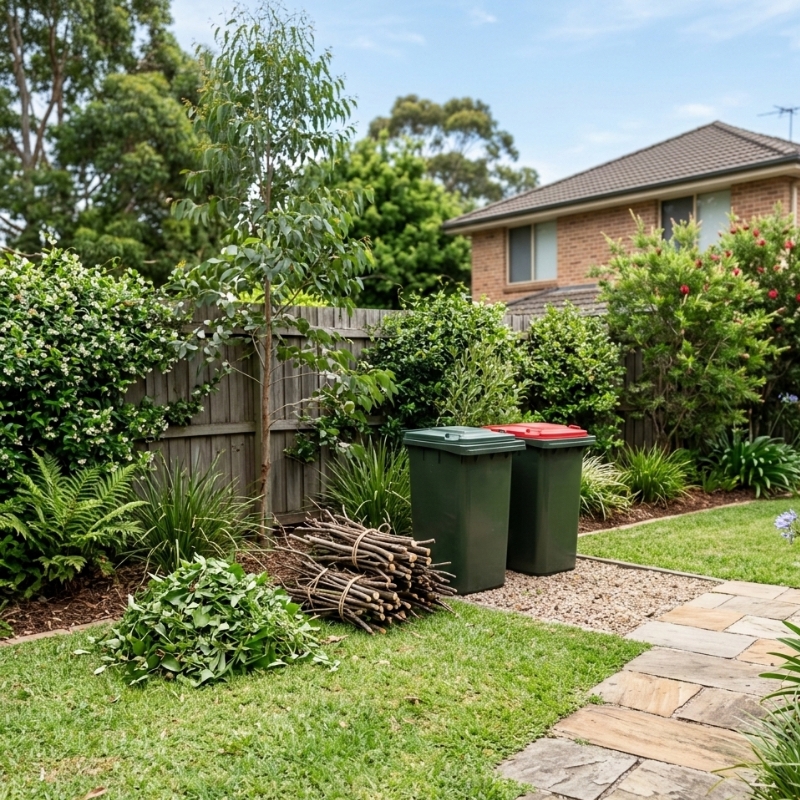
If you’ve ever stood over your bins with a handful of leaves in one hand and an empty pot in the other—wondering whether it belongs in your kerbside collection or whether it’s time to book a professional rubbish removal service—you’re not alone. The line between “garden waste” and “general waste” feels obvious until you hit the tricky stuff: soil, weeds with seeds, palm fronds, timber offcuts, broken pots, plant labels, and those “compostable” bags that may or may not be accepted.
This guide breaks it down in plain English for Sydney households, with practical rules you can actually remember. Because the real goal isn’t perfection, it’s keeping garden organics clean enough to be processed into mulch and compost (instead of being rejected as contamination and sent the other way).
Just keep in mind: Sydney isn’t one set of bin rules. Different councils and buildings (especially strata) can have different services and accepted materials. When in doubt, check your local council guidance for your address, and follow the bin stickers if your building has them.
The simple difference (and why it matters)
Garden waste is mostly “natural, plant-based material” from your yard.
General waste is everything else that can’t go in recycling or organics.
That sounds easy, but here’s why councils care so much about the split:
• Clean garden organics can be turned into compost/mulch
• Contamination (plastic, rubble, metal, treated timber) can ruin loads and damage processing equipment
• Rejected loads may end up treated as general waste, which costs more to handle and reduces recycling outcomes
In other words, a few wrong items can undo a lot of good sorting.
What typically belongs in the green-lid garden organics bin
Most Sydney green-lid systems are designed for everyday garden “soft waste” and manageable prunings.
Common examples that are usually accepted:
• Lawn clippings
• Leaves and small twigs
• Flowers and small prunings
• Small branches (within size limits)
• Weeds (often yes, but see the weeds section below)
• Small amounts of bark or untreated woodchips (if your council allows)
If you want a reliable “source of truth” for what’s accepted and what’s not, the City of Sydney outlines their garden organics rules and common exclusions here: City of Sydney – Recycle garden organics
Quick rule of thumb for Sydney homes
If it grew in the garden and it’s not mixed with anything else (plastic, metal, soil, rubble), it’s probably green-bin material.
But the exceptions matter, and they’re where most people get caught out.
What often does NOT belong in the green bin (even if it feels “garden-y”)
These are the items that commonly cause contamination issues:
Plastic bags (even “biodegradable” or “compostable” bags, unless your council specifically accepts them)
• Pots, trays, plant tags, ties, string, netting, and hose bits
• Soil, sand, rocks, bricks, rubble, and concrete
• Treated/painted timber, MDF, laminated boards
• Metal stakes, wire, screws, nails
• Large logs or heavy branches over size/weight limits
• Household rubbish mixed into a pile of green waste (wrappers, bottles, foam packaging)
The key difference is this: garden organics facilities are set up for plant material, not mixed demolition or household junk. Even “a bit of soil” can turn a green bin into an overweight, messy bin that’s hard to process.
The tricky items Sydney homeowners always ask about
Let’s tackle the common “Wait… where does this go?” questions.
Soil and potting mix
Soil and potting mix are typically not accepted in garden organics bins because they add weight, create mess, and can contain contaminants. Even if it’s “natural,” it behaves more like rubble than organics in processing.
Better options:
• Let small amounts dry out and use them in your garden
• Put small residues in general waste (if allowed by your council)
• For larger amounts from landscaping or repotting sprees, check local drop-off options or reuse pathways
Palm fronds and tough, fibrous plants
Palm fronds are a classic headache. They can be hard to shred and may be excluded or restricted depending on the local facility.
What to do:
• Check your local council list for “palm fronds” specifically
• If accepted, cut them down to manageable sizes
• If not accepted, treat them as general waste or take them to an approved drop-off (depending on your council)
Weeds, seed heads, and invasive plants
Many systems accept weeds, but weeds with seeds or runners can be controversial because of the risk they survive processing if the composting method isn’t hot enough.
Safer approach:
• Bag or contain seedy weeds in a way your council allows (some councils prefer general waste for seedy weeds)
• Avoid shaking seeds loose on the verge or in your bin area
• If you’re dealing with a major outbreak, check council recommendations for that plant
Branches that don’t fit (or that make the bin too heavy)
If you’re pruning anything beyond routine maintenance, your green bin can fill fast.
Practical tips:
• Cut branches into shorter lengths that fit easily
• Keep the lid closed fully (overflowing bins are often not collected)
• Don’t compact by forcing the lid down—this can jam the bin and make it too heavy
• Spread pruning over a few weeks if you can
And if you’re looking at a weekend where the yard produces more than the bin can cope with, it’s normal to need a different pathway. Some households choose to stage the clean-up; others decide they need help with a garden clean-up so the excess doesn’t sit around attracting pests or becoming a soggy pile.
How to avoid green-bin contamination (without overthinking it)
If you remember nothing else, remember these three habits:
1) Keep plastic out of the green bin
The biggest contaminant is “little bits of plastic”:
• Plant pots and trays
• Soft plastic from potting mix bags
• Cable ties and twine
• “Compostable” liners that aren’t accepted
Even small pieces are a problem because they fragment and are hard to remove.
2) Keep soil out (and shake plants before you bin them)
If you’re binning a dead plant:
• Knock as much soil back into the garden as possible
• Remove plastic pots
• Separate plant ties and labels
3) Don’t mix garden waste with household rubbish
It’s tempting during a big clean-up to throw in whatever’s in your hands. That’s how green bins get rejected.
If your pile includes mixed material (plastic, broken planters, old timber edging, bits of hose), split it into:
• Clean organics
• Recyclables
• General waste
• Special items (e-waste, chemicals, etc.)
Q&A: “Can I put food scraps in the green bin in Sydney?”
It depends on your council and your building.
Some areas have moved to FOGO (Food Organics and Garden Organics), where food scraps are accepted in the organics bin. Other areas still run “garden organics only,” where food scraps are not accepted.
How to tell:
• Check your council website for “FOGO” or “food scraps”
• Look at your bin sticker (it often lists accepted items)
• If you’re in an apartment, check with the strata or your waste room signage
If food scraps aren’t accepted in your green bin, keep them out. Adding food to a garden-only bin can increase odour, attract pests, and may be treated as contamination.
Sydney scenarios: what to do in real life
Scenario 1: The weekend prune that filled the green bin by 10 am
You’ve done the right thing by putting clean prunings into the green bin, but the rest is sitting in a heap.
Options that keep things tidy:
• Stage the job: prune one section this week, another next week
• Mulch on-site if you have a mulcher and the space
• Bundle and store branches neatly (if your property allows) until the next collection
• Use an approved drop-off option if your council offers it
If the clean-up has also produced non-organic items (old planters, broken edging, mixed debris), it’s worth shifting your mindset from “garden waste” to “overall waste sorting.” That’s where good habits around responsible rubbish disposal in Sydney make the biggest difference, because you’re dealing with multiple streams, not just leaves.
Scenario 2: Repotting day left you with pots, soil bags, dead plants, and a mess
This is the classic “mixed material” situation.
Do this:
• Green bin: plant material only (shaken free of soil)
• Recycling: eligible plastic/containers (if clean and accepted)
• General waste: plant labels, ties, non-recyclable packaging
• Soil: reuse in the garden or follow council guidance for disposal
Scenario 3: Post-storm debris everywhere
Storm clean-ups often produce:
• Clean leaves and small branches (green bin)
• Larger branches (may exceed bin limits)
• Mixed debris blown in (plastic, roofing fragments, fencing wire)
Do a quick safety pass first:
• Watch for nails, wire, broken glass
• Don’t drag unknown material into the green bin
• Separate clean organics from anything suspicious or mixed
If you’re staring at a big volume and you’re not sure what category half of it falls into, that’s a good time to lean on rubbish removal guidance so you can keep the organics clean and avoid accidental contamination.
General waste: what it usually includes in this conversation
General waste (red-lid for many households) is where the “non-organic, non-recyclable” leftovers go.
In the context of gardening and outdoor areas, general waste often ends up being:
• Broken plastic pots and cracked trays (if not accepted in recycling)
• Garden hoses, sprinkler parts, fittings
• Synthetic weed mat, shade cloth offcuts
• Foam packaging from outdoor furniture or tools
• Dusty, messy packaging that can’t be recycled
• Small amounts of contaminated material (e.g., plant matter full of plastic bits)
If you’re ever torn between green bin and general waste for a questionable item, general waste is usually the safer choice. It’s better to keep organics clean than “wish-cycle” a problem item.
Drop-offs, bulky waste, and the “too much for the bin” problem
Even with perfect sorting, bins have limits. Sydney homes vary wildly: some have roomy kerbside bins; others (especially terraces and unit blocks) have tight waste rooms and shared bins that fill quickly.
When you’ve got too much garden waste, you’ll usually be looking at one of these pathways:
• Staging over multiple collections
• Council drop-off options (varies by council)
• Scheduled bulky services (again, varies by council)
• On-site processing (mulching/composting, if you have the setup)
The best approach is the one that matches your situation:
• If you’re doing routine maintenance, staging works
• If you’re resetting an overgrown yard, you’ll likely need a bigger plan
• If you’re dealing with mixed materials (timber, pots, packaging, organics), you’ll need separation and smart handling so you don’t contaminate any stream
A homeowner-friendly checklist for cleaner sorting
Use this before you start a big tidy-up.
Before you cut anything
• Check your green bin space (empty? half full?)
• Keep a separate container for “non-organic garden stuff” (pots, ties, hose bits)
• Choose an area to stack branches neatly, so they’re not a trip hazard
While you’re working
• Put clean organics straight into the green bin
• Keep plastic out, even small bits
• Shake soil off roots and plants before binning
• Don’t force the lid closed—stop and reassess
After you finish
• Do a quick contamination check on the top of the green bin (pots? ties? labels?)
• Separate any mixed debris into general waste/recycling
• Decide what to do with the overflow (stage, drop-off, or other option)
Q&A: “What happens if I put the wrong stuff in the green bin?”
Outcomes vary, but common consequences include:
• The bin may be left uncollected if contamination is visible
• The contents may be treated as contaminated, reducing the chance that it’s processed as organics
• Contamination can damage equipment or reduce compost quality
That’s why councils push “keep it clean” messaging: the system depends on households doing the basics right.
FAQ
What’s the easiest way to remember garden waste vs general waste?
Garden waste is clean plant material only. General waste is the leftovers that aren’t recycling or organics. When you’re unsure, keep the green bin clean and choose general waste for questionable items.
Can I put small sticks and twigs in the green bin?
Usually, yes, as long as they fit within local size limits and the lid closes. Cut longer prunings down so they sit neatly and don’t jam the bin.
Are plastic “compostable” bags okay in the green bin?
Not always. Some councils accept specific compostable liners; others don’t. If your council doesn’t explicitly allow them, keep them out to avoid contamination.
Can I put dead pot plants in the green bin?
Often yes for the plant material, but remove the pot, labels, and ties, and shake off as much soil as possible first.
Do all Sydney households have the same rules?
No. Services vary by council, and strata buildings can have different collection systems. Always check your council guidance and bin stickers for your address.