

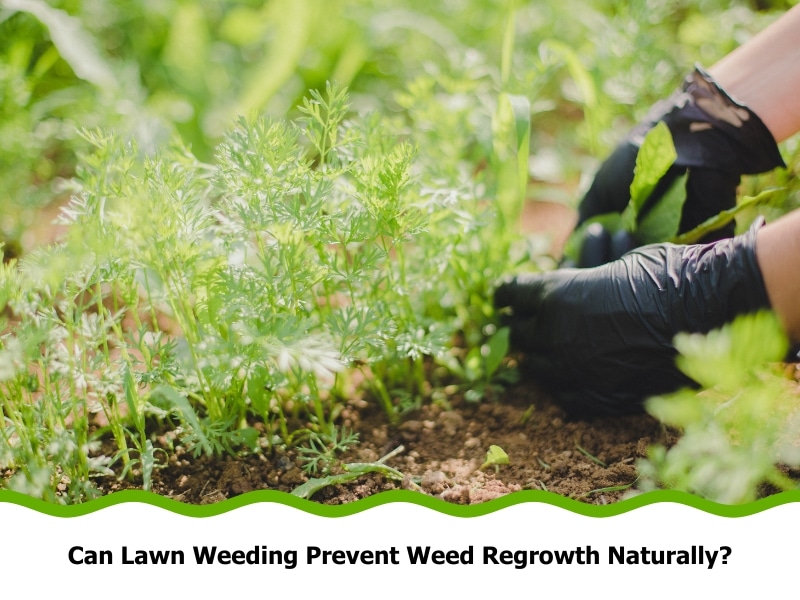
Every backyard looks better with lush, even turf, but unwanted plants always seem to creep back in. You might spend hours on lawn weeding, only to see fresh shoots pop up after a bit of rain. It’s frustrating when hard work doesn’t hold, and the same culprits keep spoiling the view. The trick is not just removing weeds but strengthening the ground so they struggle to return. This article explores natural lawn weeding methods to reduce regrowth, manage problem areas, and build a healthier lawn that stands firm across the seasons.
Why do weeds keep coming back after lawn weeding?
Weeds bounce back because weed removal is rarely perfect. Tiny root bits and buried seeds restart after rain. Wind and clippings spread them. Thin turf and uneven watering leave light and space for quick reinvasion.
- Dormant seeds sprout after soil is disturbed, especially when light reaches the surface.
- Couch and kikuyu regrow from rhizomes and stolons left behind.
- Uneven watering stresses turf, giving weeds open patches.
- Short mowing exposes soil, boosting germination and weakening grass defences.
Sort the causes and bounce-back slows. Firm up turf density, water evenly, and target underground parts. Stack small wins until weeds run out of easy chances.
What problems can recurring weeds cause in your lawn?
Recurring lawn weed growth drains the lawn you’ve spent time and coin to grow. They grab water first, steal nutrients, and cast shade that thins turf. The backyard looks scrappy, creating chores.
- Nutrient theft is evident as pale blades and patchiness, necessitating additional fertiliser while weeds continue to reap benefits.
- Dense mats trap humidity, inviting fungi and lawn grubs, adding damage and spoiling arvo barbies.
- Fast-seeding species spread into beds, lifting maintenance across paths and edges until tidy lines vanish.
- Persistent weed invasion reduces curb appeal, which can be a sting if you’re prepping for inspections or renters.
Once weeds dominate, grass becomes the underdog. Flip the balance with consistent, lawn-first care and pressure on hot spots, and the yard starts looking fair dinkum again.
How can stubborn weeds damage soil and grass health?
Some weeds don’t just crowd; they change the ground underfoot. Deep roots pinch moisture, and some species release growth-suppressing chemicals. Over months, soil biology tilts, turf resilience drops, and the lawn turns brittle between rains.
- Deep taproots from dandelion and nutgrass intercept water in dry spells, leaving shallow grass roots stressed and slow.
- Allelopathic species shade and chemically suppress new shoots, so thin patches linger instead of thickening after mowing.
- Compacted traffic lanes funnel water sideways, starving high spots where weeds hold ground and grass becomes scrappy.
- Aggressive weeds can permanently damage soil balance, forcing extra aeration, topdressing, and costs that could be avoided.
Target tough species early to protect the underground systems feeding the lawn. Balance moisture, lift mowing height, remove whole crowns, and the soil community resets to support healthy regrowth.
Which natural methods work best for long-term lawn weeding?
The best weed control for lawns is kinder to pets and kids and shifts the advantage back to grass. Pair simple moves, repeat. Small habits beat considerable efforts in warm seasons.
- Mulch edges and borders to block light, stabilise moisture, and cut off germination.
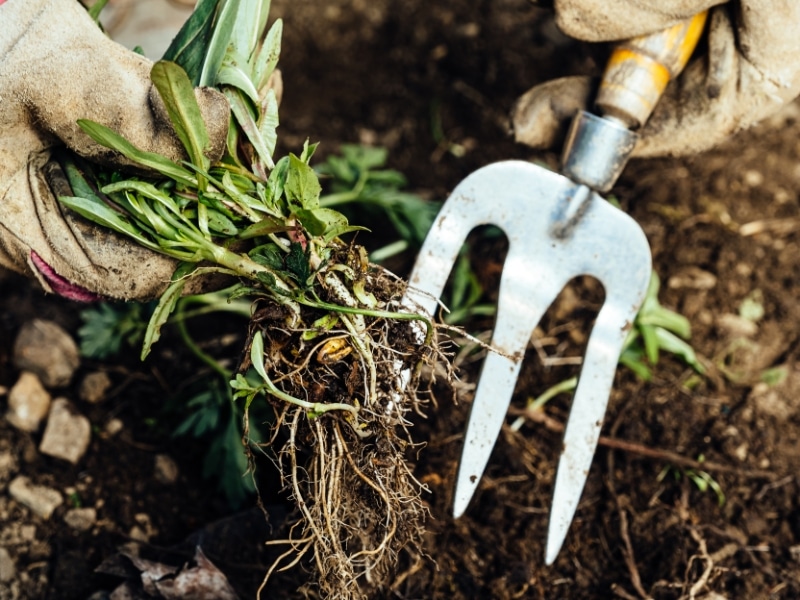
- Hand weeding with a fork removes roots and runners to stop sneaky regrowth.
- Vinegar or boiling water can clear cracks and pavers, but apply it carefully near grass.
- Lift the mowing height to shade the soil, thicken the turf, and block seedlings.
If you’d like to go beyond DIY and explore professional support, you can find reliable weeding solution for achieving lush green lawns that fit your garden’s needs. Natural doesn’t mean slow. Done consistently, these moves pressure weeds while the lawn gains a leg-up. Keep notes, adjust with seasons, and results compound without heavy chemicals.

How often should you do lawn weeding for lasting results?
Frequency hinges on growth rates, rainfall, and the density of your turf today. A monthly sweep works for many, but after summer rain, fortnightly spot checks are gold. Early pulls are quicker and stop seed set, which saves headaches later.
- Warm, wet weeks trigger bursts; add quick mid-week walks to catch sprouts before they harden into stubborn clusters.
- Dormant seed flushes often follow edging or aeration, so plan an extra pull two weeks after those jobs.
- Mowing at the higher setting reduces sunlight on the soil and stretches the time between larger weeding sessions.
- Record trouble species and spots; patterns appear across seasons, helping set smarter routines that fit your yard perfectly.
And since yards vary widely, it’s worth considering how lawn size can impact garden maintenance and shape the cadence that keeps weeds in check. Keep the routine humming.
Does soil health affect natural weed prevention?
Healthy soil is the quiet workhorse behind a tough, good-looking lawn. When structure, nutrients, and biology line up, grass thickens quickly and weeds struggle to find elbow room. Get that balance wrong and opportunists move in fast.
- Compost increases water retention, so the lawn suffers through heatwaves while seedlings fail to establish properly.
- Aeration opens pathways for roots and microbes, easing compaction where weeds anchor and outpace tender turf growth.
- Poor soil maintenance increases weed dominance, so schedule checks and correct gently rather than overcorrecting each year.
| Soil Factor | Impact on Weeds | Impact on Grass Health |
| Nutrient levels | High nutrients reduce weeds | Low nutrients increase weed spread |
| Drainage & Aeration | Limits weed root growth | Encourages stronger root systems |
| Organic matter | Improves balance | Supports healthy regrowth |
Building strong soil creates the best defence against weeds. Alongside composting and aeration, using simple methods to keep gardens free from invasive plants complements your soil care efforts and strengthens your lawn’s natural resistance.
Is mulching an effective strategy for weed control?
Mulch is simple and powerful. By blocking light and smoothing moisture, it slows weed germination. Pick materials to suit beds and paths, then refresh before hot northerlies and after storms. That timing keeps coverage even.
- Organic mulches like pine bark and pea straw break down, improving soil texture while starving seedlings of sunlight.
- Gravel or recycled rubber can suit strips, holding position in wind and needing fewer top-ups through winter.
- Keep mulch off lawn crowns and tree trunks; a gap avoids rot and lets air circulate cleanly.
- Match chip size to location; coarse for wind-exposed beds, finer for corners where runoff is slower.
If weeds are ramping up, start by recognising the signs of aggressive weed growth to prioritise the right sections. Mulch won’t do the whole job, yet it’s a handy ally. Pair it with mowing, steady watering, and quick pulls, and invaders have nowhere to settle.
Final thoughts on natural lawn weeding for regrowth control
Natural control isn’t about grand gestures; it’s about rhythm. Keep grass taller, water deeply and less often, and patch bare spots quickly. Sharpen blades, rotate mowing patterns, and stay on top of edges before they fray. After windy days, do a quick lap and nip new sprouts while the soil is soft. Keep a small kit ready in the shed, no dramas. Over a season, those steady habits stack, the lawn thickens, and weeds go from bossing the yard to background noise.
If you’d like a board when things turn tricky, consider how A Bargain Gardener supports healthy gardens with practical advice and service options tailored to your lawn, schedule, and seasonal needs.