

Sydney Garden Care by Season: A Practical Guide to What to Do and When
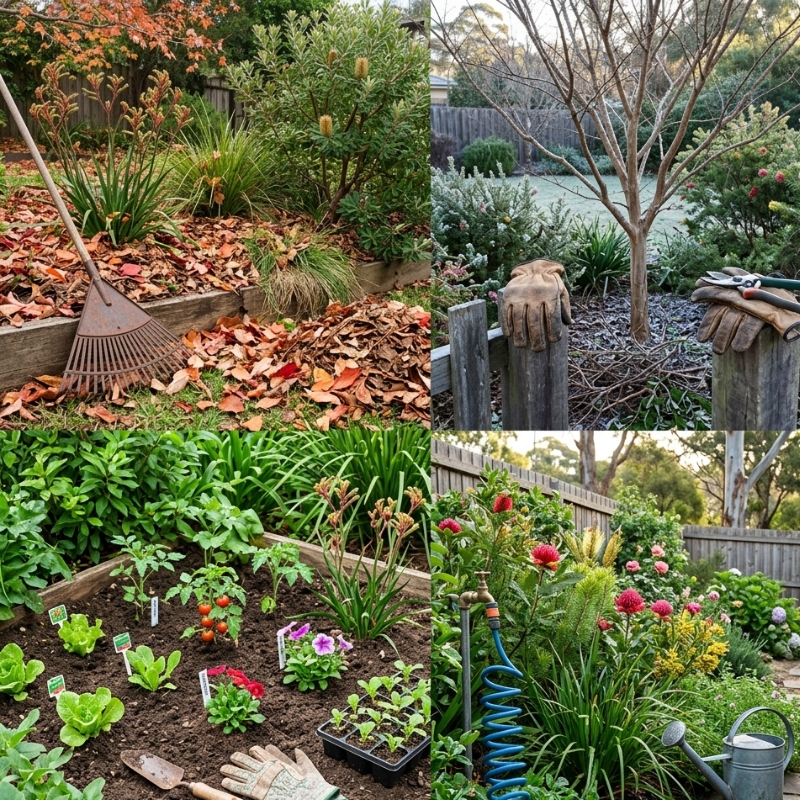
Sydney’s gardens don’t really “shut down” the way colder climates do. Gardening here means working with mild winters, warm, humid summers, and plenty of microclimates—coastal salt air, shady inner-city courtyards, and the hotter, drier western suburbs. That’s why a one-size-fits-all checklist can feel wrong.
This guide breaks the year into simple seasonal priorities, so you know what matters most, what can wait, and how to adjust for where you live in Sydney.
How to use this guide (without turning it into a full-time hobby)
A practical seasonal routine is easier if you separate tasks into three buckets:
• Must-do: keeps plants alive and prevents common issues
• Nice-to-do: boosts growth, flowers, and lawn performance
• If you’ve got time: bigger improvements (soil, redesign, new beds)
If you’re busy, aim for this minimum:
• 10 minutes twice a week (quick scan + water check)
• 30–60 minutes once a fortnight (weeding, edging, prune, mulch top-up)
Q&A: What’s the single best habit for year-round results?
Do a quick walk-around after rain and before the next warm spell. You’ll spot drainage issues, fungal problems, pest damage, and irrigation problems early—when the fix is small.
Sydney’s microclimates (why your neighbour’s garden looks different)
Before the seasonal checklists, here are the two biggest “Sydney variables” that change what you do and when:
• Coastal and bayside areas: wind + salt air can burn tender leaves, dry pots fast, and slow recovery after pruning
• Western suburbs / inland pockets: hotter days, bigger temperature swings, and lawns often need more strategic watering and soil conditioning
Also watch for these smaller factors:
• Courtyard shade = slower drying, more fungal pressure
• Sandy soils (common near the coast) = drains fast, nutrients leach
• Clay soils (common in many suburbs) = waterlogging risk, compaction, slower root growth
Q&A: How do I know if my soil is sandy or clay?
Grab a handful of damp soil and roll it.
• If it falls apart and feels gritty, it’s likely sandy.
• If it forms a smooth ribbon and feels sticky, it’s more clay-heavy.
Most Sydney gardens are somewhere in between, but that quick test tells you which direction to manage.
Autumn in Sydney (March to May)
Autumn is your “reset season”. The heat eases, the soil is still warm, and many plants (and lawns) recover better now than in winter.
Must-do autumn jobs
• Tidy leaf drop before it smothers the lawn or turns to slimy mulch in shady corners
• Weed while the ground is softer (you’ll remove more roots with less effort)
• Top up mulch to stabilise soil moisture and temperature
• Check drainage after rain—puddles that linger are a sign you’ll have winter problems
If you want a simple routine that fits most yards, use this as your baseline: light prune + weed + mulch top-up.
If you need an ongoing plan you can follow without overthinking it, bookmark your own seasonal checklist and lean on a simple rhythm like gardening upkeep through the seasons.
Nice-to-do in autumn (big payoff)
• Feed the soil: compost, worm castings, or a quality soil improver around ornamentals and veg beds
• Lawn recovery: rake out thatch lightly, improve compacted areas, and keep mowing height a touch higher
• Plant for winter colour: think cool-season flowers, herbs, and veg that like milder days
Autumn mistakes to avoid
• Hard pruning right before cold snaps (new growth can struggle)
• Mulching against trunks/stems (invites rot and pests)
• Ignoring shade dampness (fungus loves it)
Q&A: Should I fertilise in autumn?
If your garden looks tired after summer, autumn is a good time for a gentler feed and soil improvement. Go lighter than spring, especially for plants that slow down in winter. Think “support and recovery,” not “push growth.”
Winter in Sydney (June to August)
Sydney winters are mild compared to many places, but it’s still the season where overwatering, fungus, and sluggish growth can catch you out—especially in shade or clay soils.
Must-do winter jobs
• Water less, but water smarter: check soil moisture first (especially in shaded beds)
• Prioritise airflow: remove dead leaves, thin crowded growth lightly, and keep mulch from staying soggy
• Protect pots: pots cool down fast; move tender plants to sheltered spots
• Stay on top of snails/slugs after wet spells (they do their best work at night)
A Sydney-specific watering rule that’s worth following year-round: if you’re using drinking water, stick to the Water Wise Guidelines (generally before 10 am or after 4pm, with permitted methods). Here’s the authoritative reference from Sydney Water’s Water Wise Guidelines.
Nice-to-do in winter
• Prune selectively: remove damaged, crossing, or diseased branches
• Clean up garden hygiene: fallen fruit, old veg plants, and dead foliage can harbour pests and disease
• Plan spring: note which areas stayed too wet, too dry, or too bare—then fix the underlying cause
When to call a pro in winter
• Large branches over paths/roofs after storms
• Trees with visible cracks, leaning, or lifting roots
• Persistent drainage issues that keep reappearing despite basic fixes
Q&A: Why does my lawn look worse in winter, even though it’s cooler?
In many Sydney yards, winter lawn issues are less about cold and more about shade + wet soil + compaction. If it stays damp and gets low light, roots struggle, fungus can move in, and traffic compacts the soil.
Spring in Sydney (September to November)
Spring is the “growth surge” season. Your garden rewards what you do now—because plants are actively responding.
Must-do spring jobs
• Weed early and often (small weeds are 10x easier than spring jungles)
• Feed for growth: many ornamentals and lawns respond well to spring feeding
• Refresh mulch after winter breakdown
• Set up watering systems before hot days arrive (don’t wait until everything is stressed)
Spring is where routines either stick or disappear. If you want a simple approach that doesn’t feel overwhelming, build a repeatable pattern focused on keeping your garden tidy year-round.
Nice-to-do in spring
• Planting and transplanting: spring is forgiving for many plants (as long as you don’t let them dry out)
• Edge and define: crisp bed edges reduce weeds and make the yard look instantly “finished”
• Pest patrol: check new growth for chewing, curling, sticky residue, or speckling
Spring mistakes to avoid
• Overfeeding with high nitrogen (fast, soft growth can attract pests and needs more water)
• Skipping mulch then trying to “water your way out” of summer stress later
• Mowing too low heading into hotter months
Q&A: When should I prune in Sydney—spring or winter?
It depends on the plant and what you’re trying to achieve. A safe rule:
• Remove dead/damaged/diseased growth anytime.
• Save heavier shaping for times when the plant can recover well, and you’re not pushing it into heat stress.
If you’re not sure, start with light pruning and observe the response.
Summer in Sydney (December to February)
Summer is about heat management, humidity management, and realistic expectations. You’re not aiming for perfection—you’re aiming for resilience.
Must-do summer jobs
• Deep water, less often (where appropriate), rather than light daily sprinkles
• Mulch maintenance: mulch is your insulation—keep it topped up and not too thin
• Watering timing: early morning is usually best for reducing evaporation and humidity hang-time
• Watch for heat stress signs: wilting at midday can be normal; wilting into the evening is a red flag
• Raise mowing height to shade roots and reduce stress
If your yard sits in a hotter pocket of Sydney, focus on “survive and stabilise” routines suited to local conditions—especially watering and mulch. A useful framing is garden care for Sydney conditions.
Nice-to-do in summer
• Shade tender plants during heatwaves (move pots, use shade cloth temporarily)
• Check irrigation coverage: uneven watering creates patchy lawns and stressed beds
• Thin dense foliage lightly to reduce fungal issues in humid periods
Summer mistakes to avoid
• Watering at the wrong time (high evaporation and wasted effort)
• Hard pruning in peak heat
• Over-fertilising when plants are already stressed
Q&A: How do I tell if a plant needs water or just looks sad in the heat?
Check the soil 5–10 cm down (finger test).
• If it’s dry at that depth, water deeply.
• If it’s damp, don’t water yet—improve shade, mulch, and airflow instead.
The “busy household” seasonal checklist (minimum viable routine)
If you only do a handful of tasks per season, do these:
Autumn minimum
• Weed key areas (garden beds, edges, paths)
• Top up mulch
• Clear leaf build-up from the lawn and drains
Winter minimum
• Reduce watering and check soil moisture first
• Remove soggy leaf litter in shade
• Light pruning of dead/damaged growth
Spring minimum
• Weed weekly for 10 minutes
• Feed and mulch
• Check irrigation before hot weather
Summer minimum
• Mulch + deep water (as needed)
• Raise mowing height
• Watch for pests/fungus after humid spells
Common seasonal problems in Sydney (and what to do)
Patchy lawn after summer
• Raise mowing height
• Check for compacted areas and improve soil structure
• Water deeply (within Water Wise rules) rather than shallow daily watering
• Be patient—recovery often improves as temperatures ease
Fungus in shady garden beds
• Improve airflow (light thin-out, remove debris)
• Water less frequently
• Avoid wet mulch pressed against stems
• Consider whether the plant is suited to the spot long-term
Weeds that keep returning
• Pull early and remove roots
• Reduce bare soil (mulch and dense planting help)
• If you’re dealing with invasive weeds, remember NSW has a general biosecurity duty—be careful about disposal and spread
Q&A: Do I really need to worry about weeds beyond my fence?
Some weeds spread quickly and can impact neighbouring bushland, parks, and waterways. The simplest approach: don’t let seeding weeds get away from you, and dispose of invasive plant material carefully.
FAQ
What are the best months to do a garden “reset” in Sydney?
Autumn (March to May) is usually the easiest reset window because the soil is warm and the heat has eased. Spring is the next best option if you missed autumn.
How often should I water in Sydney throughout the year?
There’s no single schedule because it depends on soil, sun, and plant type. As a rule, water less in winter (especially in shade) and water more strategically in summer. If you use drinking water, follow Sydney Water’s Water Wise Guidelines.
Should I mulch in every season?
Mulch is useful nearly year-round in Sydney. Autumn and spring are common top-up times. In summer it helps protect roots and reduce evaporation.
When is the best time to prune?
Light pruning (dead, damaged, diseased growth) can be done anytime. Heavier pruning depends on plant type and weather—avoid pushing plants into peak summer stress.
Why does my courtyard garden struggle even when I water it?
Courtyards often have less airflow and more shade, which can mean damp soil and fungal pressure. The fix is often less water, more airflow, and plants suited to lower light.