

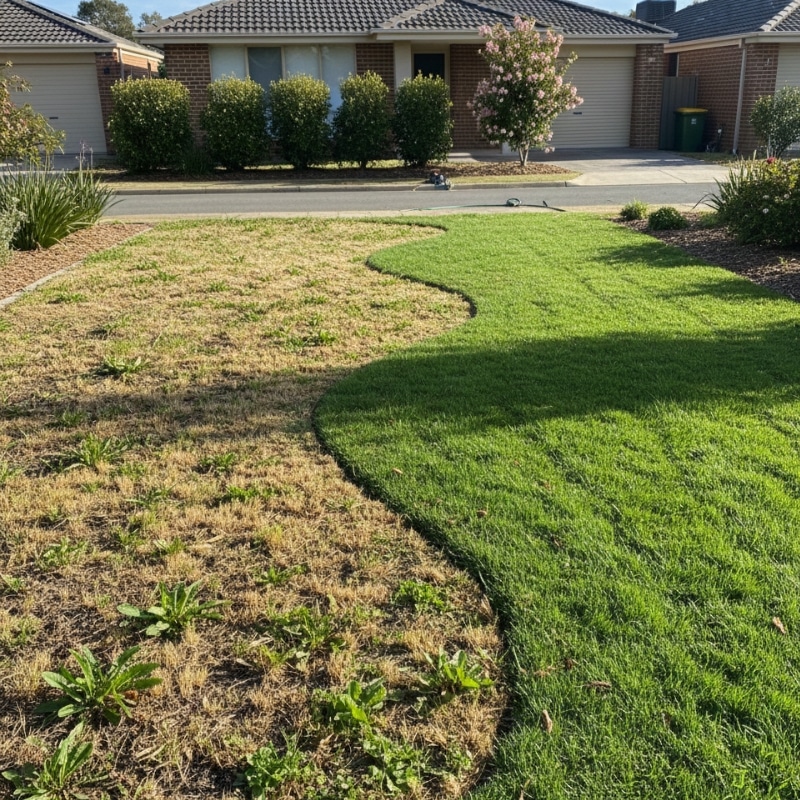
A lawn overrun by weeds is a common issue for Australian homeowners, particularly in Sydney, where warm summers, mild winters, and inconsistent rainfall create ideal growing conditions for unwanted plants.
The good news is that a lawn full of weeds is not automatically a lost cause. In many cases, it can be restored without removing and replacing the turf. The key is understanding why weeds have taken over and using the right recovery approach for Australian conditions.
This guide explains how to fix a weed-infested lawn step by step, when DIY works, and when professional weeding is the smarter option.
Why Weeds Take Over Australian Lawns
Weeds thrive when lawns become weak. They are often a symptom of underlying problems, not the main issue itself.
Thin or Stressed Grass
Healthy turf naturally crowds out weeds. When grass thins, weeds gain access to sunlight and space.
Common causes include:
• Lack of nutrients
• Infrequent or incorrect mowing
• Drought stress
• Heavy foot traffic
Poor Soil Conditions
Many Sydney lawns sit on compacted or low-quality soil. Compaction restricts oxygen and water movement, favouring weeds over turf.
Watering Issues
Incorrect watering encourages weeds:
• Overwatering promotes broadleaf weeds
• Underwatering weakens grass and opens gaps
Weed Seed Spread
Seeds are spread by wind, birds, pets, lawn mowers, and neighbouring properties. Once established, weeds spread quickly if not treated early.
Common Lawn Weeds in Australia
Knowing what you are dealing with helps determine the best fix.
Broadleaf Weeds
- Clover
• Bindii
• Dandelion
• Capeweed
These spread quickly and are often the first to appear in thinning lawns.
Grassy Weeds
- Crabgrass
• Winter grass
• Couch lookalikes
These are harder to identify and remove because they resemble turf.
Sedges
- Nutgrass
• Mullumbimby couch
These often indicate deeper soil or drainage problems.
Step-by-Step: How to Fix a Lawn Full of Weeds
Step 1 — Assess the Lawn
Ask:
• Is there still healthy grass present?
• Are weeds scattered or dominant?
• Is the soil compacted or poorly drained?
If at least 40–50% of the lawn is grass, recovery is usually achievable.
Step 2 — Remove Existing Weeds
Hand-pulling works for small patches, but widespread infestations need a structured approach.
Key tips:
• Remove weeds with roots intact
• Avoid mowing before removal
• Never compost weeds with seed heads
For larger or recurring infestations, many homeowners choose professional weeding services in Sydney to avoid turf damage and repeated failures.
Step 3 — Improve Soil Health
Weeds will return if soil problems aren’t addressed.
Helpful actions include:
• Core aeration to reduce compaction
• Adding organic matter
• Topdressing with lawn-appropriate soil
Healthy soil supports deeper turf roots, which naturally suppress weeds
Step 4 — Strengthen the Grass
Once weeds are under control, focus on turf recovery:
• Apply lawn-specific fertiliser
• Mow at the correct height
• Water deeply but less frequently
Dense turf is the best long-term defence against weeds.
Step 5 — Prevent Future Weed Growth
Prevention is easier and cheaper than repeated treatments.
Ongoing steps:
• Seasonal fertilising
• Consistent mowing
• Early weed detection
• Spot treatment before spread
It also helps to address nearby garden areas. Learning about how preventing weeds in garden beds can improve plant growth and reduce the chance of weeds spreading back into your lawn.
DIY vs Professional Weeding
When DIY Works
DIY weeding can be effective when:
• Weeds are minimal
• Lawn health is otherwise good
• Time is available for ongoing care
However, incorrect herbicide use and poor timing often make the problem worse.
When Professional Weeding Is Smarter
Professionals:
• Identify weed species accurately
• Use targeted treatments safely
• Address soil and turf health together
• Reduce long-term maintenance costs
If weeds keep returning, working with trusted Sydney gardening specialists can prevent repeated lawn failures.
How Long Does Lawn Recovery Take?
Recovery time depends on severity:
• Mild infestations: 4–6 weeks
• Moderate infestations: 2–3 months
• Severe infestations: up to 6 months
The goal is not instant results, but long-term lawn health.
Are Weed Killers Safe for Australian Lawns?
Registered products are regulated in Australia, but misuse can harm turf, soil life, pets, and children.
According to Australian government weed management guidance, the most effective approach combines targeted weed control with strong turf maintenance rather than over-reliance on chemicals.
When Should You Replace the Lawn?
Replacement may be necessary if:
• More than 70% of the lawn is weeds
• Soil is severely degraded
• Turf roots are largely dead
A professional assessment helps determine whether restoration or replacement is the better investment.
Frequently Asked Questions
Can a lawn full of weeds be saved?
Yes. Most Australian lawns can be restored with proper weed removal, soil improvement, and consistent care.
Why do weeds keep coming back?
Recurring weeds usually indicate poor soil health, thin turf, or incorrect maintenance.
Is a professional weeding worth it?
For moderate to severe infestations, professional weeding often saves money long term.
Final Thoughts — Fixing a Weed-Infested Lawn in Sydney
A lawn full of weeds doesn’t mean starting again from scratch. With correct weed removal, improved soil health, stronger turf, and preventative care, most Sydney lawns can be restored successfully.
Taking the right approach early helps you achieve a healthier, lower-maintenance lawn that stays green year-round.